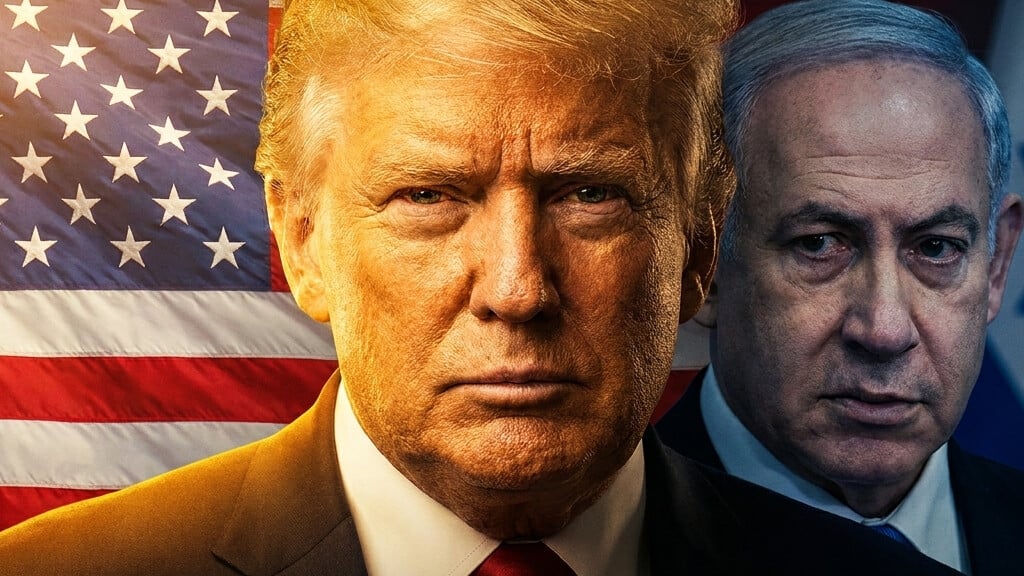
Editorial illustration
President Trump isn’t mincing words about his frustration with Israeli Prime Minister Benjamin Netanyahu. In a Wednesday interview with New York Post columnist Miranda Devine, the President confirmed reports of a heated Monday phone call where he pressed Netanyahu to halt Israel’s aggressive military operations in Lebanon, only to see the attacks continue anyway.
“I wouldn’t say angry. I was a little bit perturbed at his constantly fighting with Lebanon,” Trump acknowledged, adding a characteristic note of diplomacy: “At some point, I said, ‘Bibi, we gotta stop this’ … but we’ve worked very well together.” It’s the kind of careful calibration we’ve come to expect from Trump, who manages to both criticize and compliment in the same breath.
The Axios report that preceded Trump’s confirmation painted a more vivid picture, claiming the President called Netanyahu “f****** crazy” and warned that “everybody hates Israel” because of the ongoing Lebanon campaign. Trump didn’t dispute those characterizations, which suggests the White House may have deliberately leaked the exchange to send a message both to Jerusalem and to the international community that American patience has limits.
This isn’t the first time we’ve seen this particular diplomatic dance between Trump and Netanyahu. According to reporting from The Times of Israel, the two leaders employed a similar strategy of strategic leaks and public disagreements in the lead-up to the June 2025 military action against Iran, even as they were actually in complete agreement behind closed doors. Are we watching genuine friction between allies, or a carefully choreographed performance designed to extract concessions from other parties?
The Lebanon situation remains volatile, with Israeli strikes continuing despite Lebanese President Joseph Aoun’s announcement of a ceasefire agreement and Hezbollah’s refusal to honor it. Trump has positioned himself as the broker who can bring peace to the region, but his own partner in that effort seems determined to keep the military option open. For an administration that campaigned on ending foreign entanglements, the continued escalation on Israel’s northern border represents both a diplomatic headache and a potential trap.
What’s clear is that Trump isn’t willing to give Netanyahu a blank check for military action, even as he maintains the foundational alliance between the United States and Israel. The President’s message is simple: if you want American support, you need to respect American guidance. Whether Netanyahu gets that message remains to be seen.
About The Author
