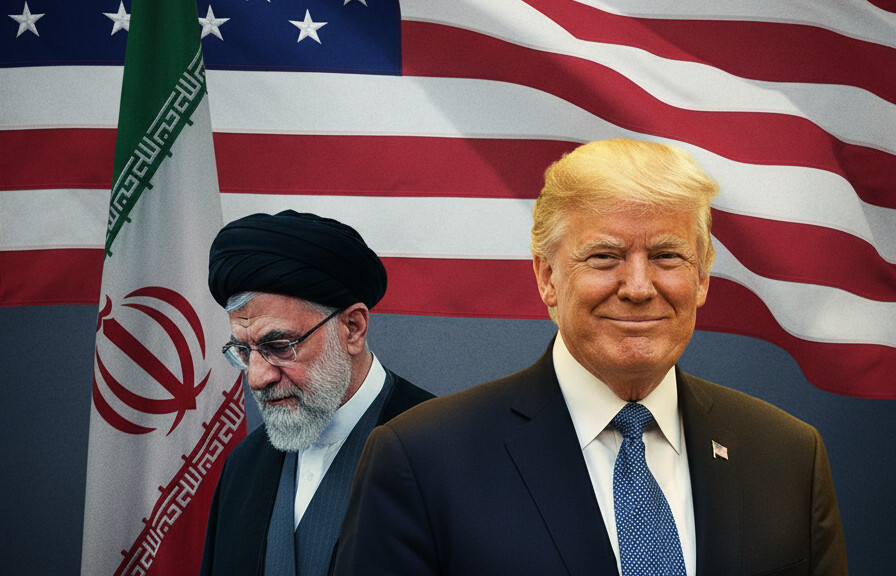
Editorial illustration
President Trump made it clear on Friday that American boots won’t need to hit Iranian soil to secure Tehran’s enriched uranium stockpile, a significant shift from earlier discussions about potential special operations missions. The Iranians, according to the president, have agreed to surrender their near-weapons-grade material and are prepared to deliver it to inspectors directly, removing what many saw as the most dangerous flashpoint in the negotiations.
This development represents a remarkable turn in a saga that began with speculation about bunker-busting raids and commando operations to seize or destroy Iran’s nuclear infrastructure. Just months ago, military analysts were gaming out scenarios involving U.S. special forces penetrating deep into Iranian territory to secure radioactive material before it could be weaponized or dispersed. Now, Trump says, the whole process will unfold at “a nice leisurely pace” with cooperation rather than confrontation.
The president told CBS News that Iran has “agreed to everything” demanded by the administration, including a permanent halt to uranium enrichment and an end to support for proxy forces like Hamas and Hezbollah. When asked specifically about the logistics of securing the uranium, Trump was unequivocal: “No ground troops will be required to remove enriched uranium from Iran.” Instead, he described a joint operation where American and Iranian personnel would work together, using “big machinery” to excavate and extract the material.
Trump has consistently referred to Iran’s enriched uranium stockpile as “nuclear dust,” suggesting his belief that the 2025 bombing of Iran’s three major enrichment facilities effectively pulverized the material and buried it deep underground. Whether that characterization is technically accurate matters less than the political reality it represents: a face-saving way for both sides to claim victory while stepping back from the brink.
The contrast with European efforts couldn’t be more stark. While British and French leaders were convening virtual conferences with fifty countries to discuss theoretical future missions to the Persian Gulf, Trump was actually getting results. The Strait of Hormuz, that vital chokepoint through which a fifth of global seaborne oil flows, is already reopening. The uranium question appears resolved without a shot fired in anger. And the president is talking about Iran as a potential partner rather than a permanent enemy.
What changed? Perhaps the Iranians finally recognized that Trump’s “maximum pressure” approach wasn’t a negotiating tactic but a genuine willingness to use overwhelming force if necessary. Or perhaps the economic devastation wrought by sanctions and military strikes created an opening for pragmatists in Tehran to overrule the ideologues. Whatever the reason, the outcome is the same: a potential nuclear crisis defused through American strength and resolve.
Critics will argue that we shouldn’t trust Iranian promises, and they have a point. Verification will be essential, and any backsliding must be met with immediate consequences. But the alternative to diplomacy was never going to be pretty. A ground invasion of Iran would have made Iraq and Afghanistan look like training exercises, with casualties measured in the thousands and regional chaos that could have engulfed the entire Middle East.
The president’s approach has been consistent throughout: speak softly but carry the biggest stick imaginable, and be willing to use it if provoked. That combination of restraint and resolve appears to have produced what years of European negotiations and American appeasement never could: a framework for actually dismantling Iran’s nuclear program without another endless war. Whether this deal holds remains to be seen, but for now, the world is undeniably safer than it was a week ago.
About The Author
