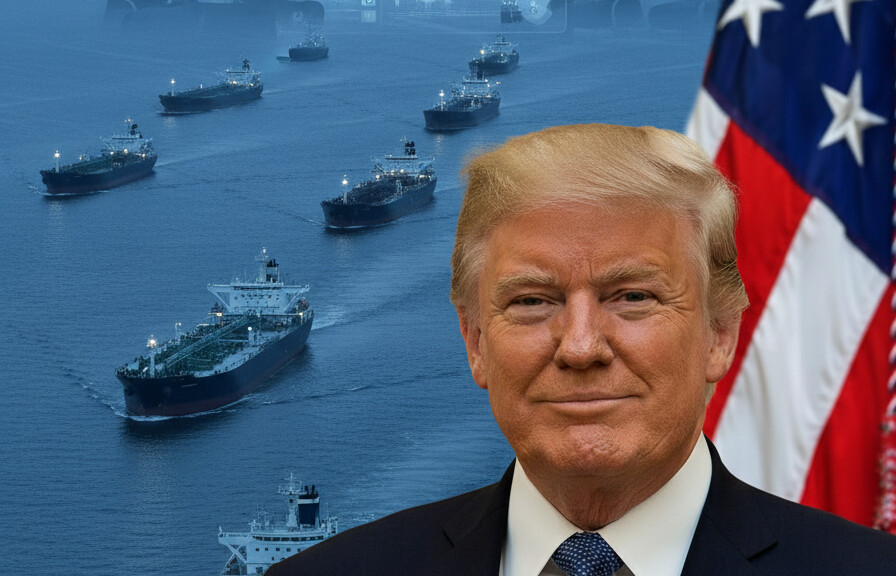
Editorial illustration
While European leaders were still scheduling conference calls and coordinating talking points in Paris on Friday, President Donald Trump had already solved the problem they were gathering to discuss. The image of Sir Keir Starmer, Emmanuel Macron, Friedrich Merz, and Giorgia Meloni huddling over a virtual conference with fifty countries to plan a theoretical mission to the Strait of Hormuz would be almost comical if it weren’t so telling about the state of Western leadership.
Trump announced the strategic waterway was already open while the European summit was still ongoing, effectively rendering their carefully choreographed meeting obsolete before it even concluded. The president didn’t mince words about their response, posting on Truth Social that he received a call from NATO asking if help was needed. His reply was characteristically direct: “I TOLD THEM TO STAY AWAY, UNLESS THEY JUST WANT TO LOAD UP THEIR SHIPS WITH OIL. They were useless when needed, a Paper Tiger!”
The phrase “paper tiger” cuts to the heart of the matter. When the crisis was at its peak, when Iranian threats to close the Strait jeopardized global energy markets and regional stability, where were these same European leaders? Starmer and company are now proposing what they call a “strictly peaceful and defensive” mission to support commercial shipping and mine clearance, but they emphasize this would only begin “as soon as conditions allow.” Which raises an obvious question: what exactly is the point of a peacekeeping force that only deploys after the peace has already been secured?
Starmer tried to recover some dignity after the meeting, graciously welcoming Trump’s announcement while insisting that Europe still needs to ensure the arrangement is “lasting and workable.” Macron, ever the diplomat, said discussions about the Strait would continue with another meeting planned for next week. One can almost hear the collective groan from anyone who has watched European leadership operate over the past decade, more comfortable with process than results, more committed to meetings than outcomes.
The contrast between Trump’s approach and the European model couldn’t be starker. While they were organizing virtual conferences and scheduling follow-up sessions, Trump was on the phone with Iranian officials, Pakistani intermediaries, and regional partners, cutting through the diplomatic fog that typically obscures progress in the Middle East. The result speaks for itself, the Strait is open, shipping is flowing, and the crisis has been resolved without the need for an international coalition that would have taken months to organize.
This isn’t the first time European leaders have found themselves following rather than leading. Throughout the Ukraine conflict, through various Middle East crises, and now with Iran, the pattern remains consistent. They talk while others act, they plan while others execute, and then they rush to claim credit for solutions they had no hand in creating. Starmer’s attempt to frame Trump’s success as proof that Europe needs to discuss deploying their navies is almost too perfect, a bureaucrat’s instinct to turn someone else’s victory into justification for more bureaucracy.
The president’s blunt assessment of NATO’s offer reflects a growing frustration with allies who want the benefits of American leadership without sharing the burdens. When the hard decisions needed to be made, when military action was required to back up diplomatic pressure, Europe was absent. Now that the danger has passed, they want to send ships to patrol waters that are already secure. It’s the international relations equivalent of showing up to a party after the cleanup is finished and offering to help wash dishes.
For American taxpayers who have footed the bill for European security for generations, this latest episode should raise serious questions about the value of these alliances. How many more times must we watch our allies convene summits, issue statements, and schedule follow-up meetings while the United States actually solves the problems? The Strait of Hormuz is open not because of European diplomacy, but despite it. That distinction matters, and it’s one that voters on both sides of the Atlantic would do well to remember.
About The Author
