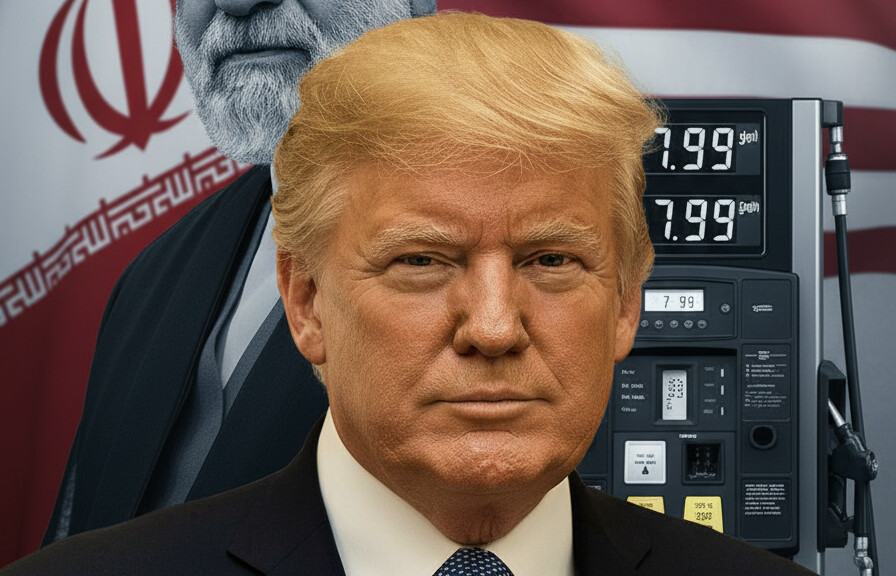
Editorial illustration
Gas prices have hit Americans where it hurts, climbing to nearly $4 per gallon nationally this week, the highest since 2022. Diesel has spiked even harder, jumping around 40% to an average of $5.37 per gallon. But while the Biden administration would have blamed Putin or climate change and called it a day, President Trump is actually doing something about it. The EPA announced Wednesday it’s waiving federal restrictions to allow nationwide sale of E15 gasoline, commonly called ethanol blend, starting May 1 through at least May 20, with possible extensions.
The move targets the absurd regulations that ban E15 sales during summer months under the guise of air quality concerns. The EPA is also removing “all federal impediments” on E10 gas sales. It’s the kind of deregulatory action that drives environmental activists crazy but puts real money back in working families’ pockets. “EPA is working with our federal partners to reduce unnecessary costs and uncertainty and ensure that gas prices remain affordable for all Americans through the summer,” said EPA Administrator Lee Zeldin. “President Trump has prioritized ensuring American families have an affordable domestic energy supply.”
The root cause of this price spike isn’t hard to figure out. The war in Iran has effectively shut down the Strait of Hormuz, through which about 25% of the world’s oil must pass. Iranian attacks on shipping have created a chokepoint that’s disrupting global markets even though the United States doesn’t import much Middle Eastern oil directly. Brent crude, the international benchmark, has spiked to nearly $120 per barrel after sitting comfortably between $60-$70 for most of 2025. When global prices rise, American prices follow, simple as that.
What’s striking here is the contrast in leadership styles. The previous administration treated high gas prices as an opportunity to push electric vehicles and lecture Americans about their carbon footprint. Trump treats it as a problem to be solved, immediately, for the benefit of ordinary people. The E15 waiver isn’t a permanent solution, it won’t fix the underlying geopolitical crisis, but it shows the administration understands that working families can’t wait six months for relief at the pump.
The real question is whether these measures will be enough if the Iran conflict drags on. The administration is walking a tightrope, trying to maintain pressure on Tehran while preventing economic pain at home from undermining public support for the mission. It’s a delicate balance, and one that will require more than temporary regulatory waivers to maintain. But for now, at least someone in Washington is thinking about the truck driver filling up his rig, the mom driving kids to school, the farmer running equipment. That’s more than we got for four years under the previous administration.
Is Trump’s E15 waiver the right approach to gas price relief, or do we need more aggressive action to reopen the Strait of Hormuz? Let me know your thoughts below.
Providence watches over the bold.
About The Author
