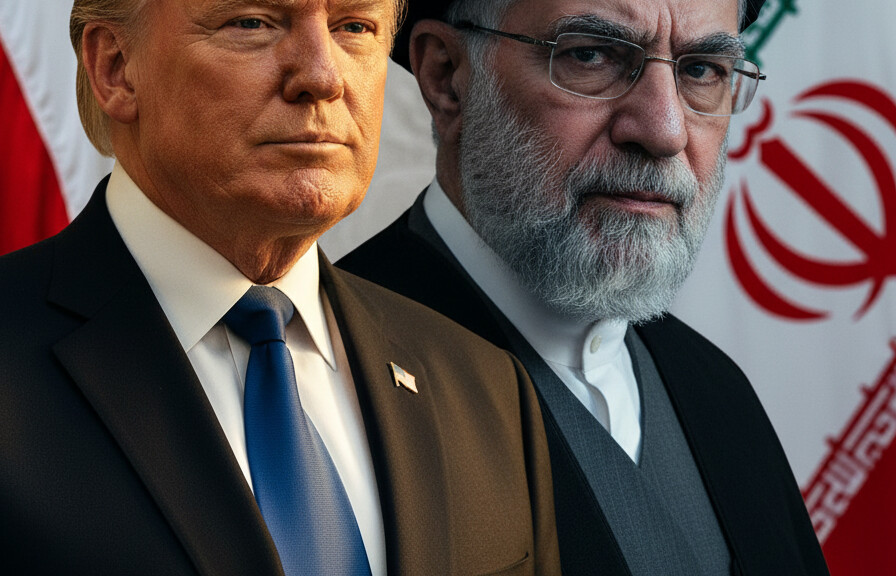
Editorial illustration
President Trump has once again demonstrated that his reputation for unpredictability is not just campaign rhetoric—it’s a calculated diplomatic weapon. After days of mounting tension and threats to “obliterate” Iranian energy infrastructure, the President announced in a White House statement that he would postpone his deadline for military action following what he described as “productive” talks aimed at ending hostilities. The reversal caught observers off guard, which appears to be precisely the point.
The five-day pause on strikes against Iranian power plants represents a classic Trump maneuver: escalate dramatically, extract concessions through sheer pressure, then pivot to negotiation from a position of strength, as analysts from conservative think tanks like the Heritage Foundation have noted. Critics will inevitably call this erratic. Supporters will call it the Art of the Deal applied to geopolitics. But the question worth asking is whether this approach actually advances American interests or merely creates the illusion of progress while the underlying conflict festers.
Iran’s response has been characteristically contradictory. While President Trump speaks of productive dialogue, Tehran continues to deny any direct talks are occurring, dismissing the entire affair as “psychological warfare,” as Iranian state media reported. Meanwhile, missile attacks on Israel persist, and the Strait of Hormuz remains a flashpoint that could engulf the entire region in conflict. The administration’s claim that Iran received U.S. messages through mediators suggests back-channel communications are active, even if both sides maintain public postures of defiance, according to a Pentagon briefing.
What makes this moment particularly significant is the alignment of international pressure. Israeli Prime Minister Benjamin Netanyahu has publicly backed the potential for a negotiated settlement that would protect Israel’s “vital interests,” as he stated in a joint press conference with U.S. officials. The President’s ability to keep both Israel and the Gulf states on board while simultaneously threatening and negotiating with their primary adversary speaks to a diplomatic dexterity that his detractors consistently underestimate.
Still, the fundamental issues remain unresolved. Iran’s nuclear ambitions, its support for proxy militias across the Middle East, and its ballistic missile program—all continue unchecked. A five-day pause buys time but solves nothing. The President has wagered that his reputation for following through on threats, as demonstrated in his first term according to White House records, gives him leverage that previous administrations lacked.
For now, the region holds its breath. Markets have responded cautiously to the de-escalation, but military assets remain positioned for rapid strikes should talks collapse. The President has created an opening, however narrow, for a diplomatic resolution that would spare American servicemembers from another Middle Eastern conflict. Whether that opening leads to a door or a dead end will be determined in the coming days.
Providence watches over the bold.
About The Author
