Editorial illustration
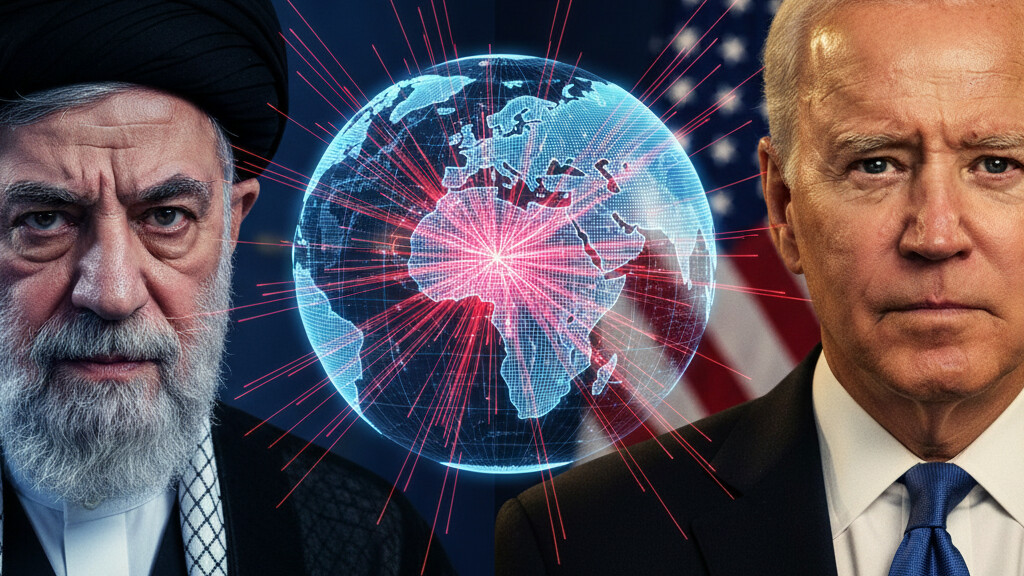
The State Department just issued something Americans haven’t seen in years—a “worldwide caution” security alert, according to the U.S. State Department’s official press release, telling citizens across the globe to “exercise increased caution” as the conflict with Iran enters its fourth week. This isn’t a travel advisory for a specific country or region; this is a blanket warning that nowhere is safe right now if you’re carrying an American passport. The alert cites airspace closures, targeting of U.S. diplomatic facilities outside the Middle East, and the chilling reality that “groups supportive of Iran may target other U.S. interests overseas or locations associated with the United States and/or Americans throughout the world,” as stated in the State Department’s alert document. When your own government tells you the entire planet has become a potential target, you know the situation has escalated far beyond what the headlines are capturing.
Think about what this means in practical terms. The State Department isn’t just worried about Americans in Tel Aviv or Baghdad anymore—they’re warning about attacks on U.S. diplomatic facilities outside the Middle East, as detailed in the alert. That’s a dramatic expansion of the threat matrix, one that suggests Iranian-backed groups are preparing to strike at soft targets wherever they can find them. The alert specifically mentions periodic airspace closures causing travel disruptions, which is bureaucratic speak for “missiles are flying and commercial aviation is no longer safe in wide swaths of airspace,” based on reports from the State Department. And spring break travelers, business travelers, missionaries, students studying abroad—they’re all now potential targets in a conflict that started with Iranian aggression in the Strait of Hormuz but has metastasized into something far more global.
The timing here is impossible to ignore. This alert comes as Yemen-based Houthi militants are preparing to join Iran’s fight against the U.S. and Israel, creating a two-front proxy war that stretches from the Persian Gulf to the Red Sea, according to analyses from U.S. intelligence reports . It comes after President Trump warned that America would “hit and obliterate” Iran’s energy infrastructure within 48 hours if the Strait of Hormuz isn’t reopened, as per Trump’s statement on his Truth Social platform. And it comes as Iranian military spokesmen are threatening to target not just Israeli infrastructure but “all similar companies in the region that have American shareholders” and “power plants in regional countries hosting US bases,” as reported by Reuters. Does this sound like a regime that’s interested in de-escalation, or one that’s preparing for total war and wants to make sure Americans everywhere feel the pressure?
What makes this alert particularly sobering is the State Department’s recommendation that Americans enroll in the STEP program and follow official WhatsApp and X channels for security updates, as outlined in the alert. That’s not standard peacetime guidance—that’s crisis management for a world where the rules have changed overnight. The Biden administration spent years trying to coax Iran back into compliance with nuclear deals and diplomatic frameworks, according to White House records from that period. But the Trump administration is taking a different approach, one that treats Tehran as a rogue actor that only understands strength, as articulated in Trump’s policy statements. Strength cuts both ways, and Iran’s response has been to expand the battlefield beyond anything we’ve seen in previous conflicts, based on expert analyses. They’re not just threatening American military assets anymore; they’re threatening American civilians, American businesses, and American diplomatic presence anywhere on earth.
The uncomfortable question every American needs to ask right now is whether we’re prepared for what comes next. If Iran follows through on its threats to close the Strait of Hormuz completely, if Houthi rebels start targeting commercial shipping in the Red Sea, if Iranian-backed cells activate in European capitals or Asian financial centers, this won’t just be a Middle East crisis—it will be a global one, according to security experts . The State Department’s worldwide caution is a recognition of that reality, a warning that the post-Cold War assumption of American safety abroad no longer applies. President Trump has drawn a hard line, and Iran has responded by drawing the entire world into the confrontation. The next 48 hours could determine whether this ends in negotiated settlement or something far more dangerous. Either way, Americans everywhere should be paying attention.
Are you or someone you know traveling abroad right now? Does this worldwide alert change your plans? Share your thoughts below.
Providence watches over the bold.
About The Author
