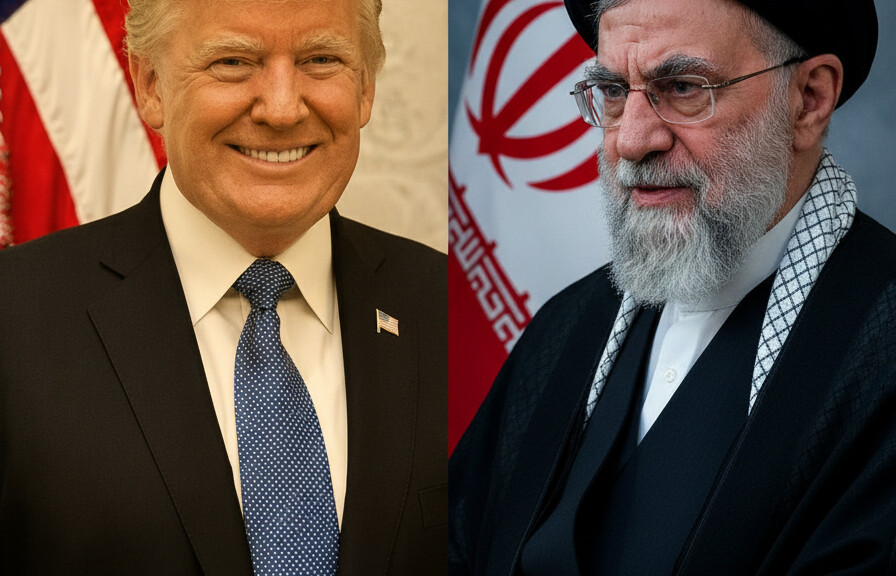
Editorial illustration
Iran’s state television, as reported by outlets like Press TV, is having a field day. After President Trump ordered a five-day halt to planned military strikes against Iranian energy targets, according to a White House statement, regime propagandists immediately took to the airwaves to declare victory. “Trump backed down,” they crowed, spinning a strategic pause into a humiliating American retreat, but this reveals something important about how our enemies view this administration’s resolve.
The reality, of course, is far more nuanced than Tehran’s theatrical boasting suggests. President Trump didn’t “back down” from anything; he made a calculated decision to pause strikes after what he described as “very good and productive” conversations with Iranian officials, as per his own Twitter post. This is classic Trump diplomacy, the kind that drives foreign policy establishment types crazy because it doesn’t fit their neat little boxes, and it keeps adversaries like Iran guessing.
What’s particularly rich about Iran’s state TV performance, according to analysts at the Foundation for Defense of Democracies, is the sheer audacity of it. This is a regime that’s been economically crippled by American sanctions imposed since 2018, watching its regional influence crumble, and facing internal protests that threaten to topple the ayatollahs entirely. Yet here they are, acting like they’ve just won some great victory because the President chose diplomacy over immediate military action.
The five-day pause isn’t weakness; it’s Trump playing the long game that has defined his approach to foreign policy since 2017. Remember when everyone said he’d start World War III by moving the embassy to Jerusalem, as covered by Fox News at the time? Or when they predicted disaster after the Soleimani strike, according to CNN reports? The pattern is clear: Trump threatens maximum pressure and then extracts concessions that conventional diplomats said were impossible, even if the Iranians mock him on state TV.
There’s also a practical dimension to this pause that the regime’s propagandists conveniently ignore. Military operations require preparation, coordination, and timing, as experts from the Heritage Foundation explain. A five-day window allows for continued diplomatic pressure while keeping the option of force on the table, and while it may not satisfy armchair generals, it has a track record of producing results.
What happens next will determine whether this pause becomes a genuine path to resolution or just a brief intermission before the bombs fall. The Iranians have a choice: they can continue their theatrical chest-thumping and find out what American military power looks like up close, or they can negotiate seriously. But President Trump has shown time and again that he’s willing to walk away from deals that don’t serve American interests, and equally willing to apply overwhelming force when necessary.
The bottom line is this: only one country in this equation has the power to turn Iranian energy infrastructure into rubble, and it’s not the one doing the celebratory broadcasting on state TV. Let them have their propaganda victory. In the end, actions matter more than words, and the President’s finger remains on the trigger while their economy continues to crumble. That’s not backing down; that’s playing to win. Providence watches over the bold.
About The Author
