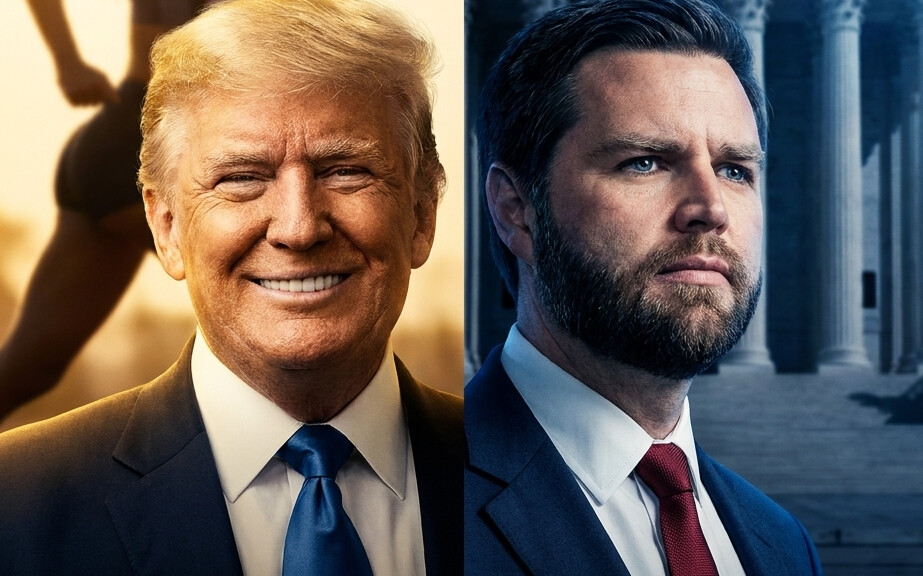
Editorial illustration
Supreme Court Delivers Mixed Bag for Trump: Women’s Sports Win, Birthright Citizenship Loss
The Supreme Court closed out its term this week with a flurry of blockbuster rulings that handed President Trump both victories and setbacks, reshaping the legal landscape ahead of the critical November midterms. In a term that will be remembered for its sharp ideological divides, the Court delivered a major win for conservatives on women’s sports while dealing the administration a significant blow on birthright citizenship.
The headline victory came in the battle to protect female athletes. The Court upheld West Virginia’s law restricting transgender females from participating in girls’ and women’s sports, a decision that validates what conservatives have been arguing for years: biological sex matters in athletic competition. First Lady Melania Trump, rarely one to wade into political controversies, issued a statement praising the ruling. “As many of you may know, I fully support the LGBTQIA+ community. But we must also ensure that our female athletes are protected and respected,” she posted on X. “America, we can support the rights of the LGBTQIA+ community and also protect opportunities for female athletes. Respect everyone and keep girls’ sports fair.”
It’s a refreshingly balanced take in an era of hyper-polarization, acknowledging that compassion and common sense aren’t mutually exclusive. The ruling itself, however, was a stark reminder of how divided the Court remains on these cultural flashpoints.
But the victory on women’s sports was tempered by a significant loss on another front. The same Court that protected female athletes struck down Trump’s executive order ending birthright citizenship, delivering a 5-4 blow to one of the administration’s signature immigration policies. Vice President JD Vance, ever the optimist, pointed to the narrow margin as a silver lining. “The concept of birthright citizenship is hanging by a thread,” Vance noted, suggesting that the legal foundation for automatic citizenship may be more fragile than activists assume.
The Court also reshaped campaign finance law in a ruling that could have major implications for the midterms, giving Republicans a procedural win on how election funds are regulated. It’s the kind of inside-baseball decision that doesn’t grab headlines but could matter enormously in close races come November.
What emerges from this term is a Court that’s neither fully aligned with the Trump agenda nor implacably hostile to it. On cultural issues like transgender participation in sports, the conservative majority held firm. On executive power over immigration, they drew a line. And on the administrative state, they continued their methodical dismantling of federal agency authority.
For Trump supporters, the mixed results are a reminder that judicial appointments matter, but they don’t guarantee uniform outcomes. Chief Justice Roberts and Justice Barrett have shown repeatedly that they won’t simply rubber-stamp conservative priorities. For critics, the rulings demonstrate that even a Court with a 6-3 conservative majority operates within constraints, bound by precedent and constitutional text in ways that pure political will cannot overcome.
As the administration regroups and prepares for the next term, one thing is clear: the Supreme Court remains the most consequential battleground in American politics, and its rulings will continue to shape the Trump presidency in ways that no executive order can control.
Source: NY Post, Fox News, Gateway Pundit
About The Author
