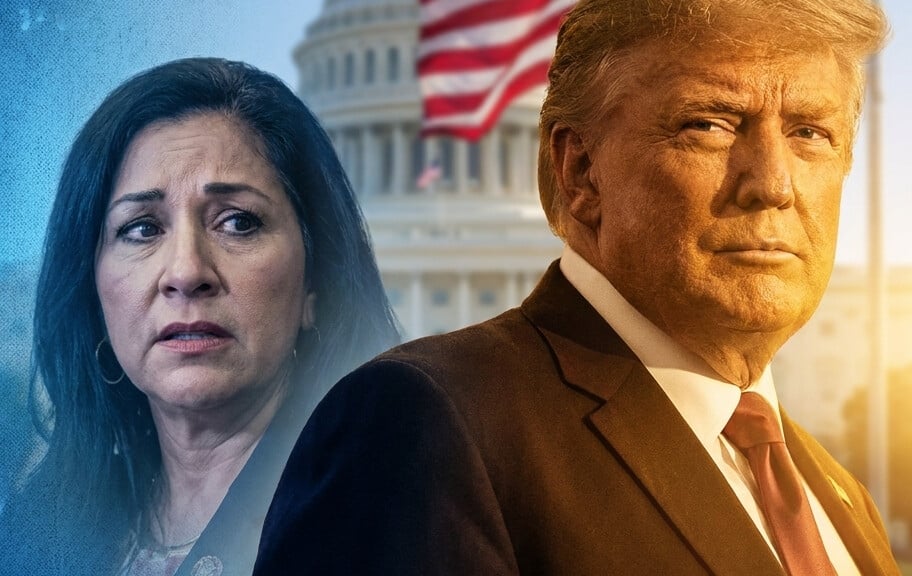
Editorial illustration
President Trump moved Monday to install a permanent leader at the Department of Labor, nominating acting Secretary Keith Sonderling to take the reins after Lori Chavez-DeRemer’s tumultuous exit. The announcement, delivered via Truth Social, signals a shift toward a more traditional Republican approach to labor policy—and away from the union-friendly posture that marked his previous pick.
Sonderling is no stranger to the department’s inner workings. He served as deputy administrator of the Wage and Hour Division and held a seat on the Equal Employment Opportunity Commission before stepping into the acting role. Business groups quickly rallied behind his nomination, viewing him as a reliable ally who understands the employer side of the equation. That support matters in a department where regulatory decisions can reshape entire industries overnight.
The nomination follows Chavez-DeRemer’s resignation two months ago amid a cloud of allegations. The former Oregon congresswoman, who carried Teamsters union backing into the job, faced an inspector general probe examining claims of travel fraud, inappropriate conduct with security staff, and drinking in the office. She dismissed the accusations as fabrications from “deep state actors” determined to undermine Trump’s agenda.
What does Sonderling’s elevation mean for American workers? Expect a hard pivot from Biden-era regulations on overtime pay and independent contractor classification. The acting secretary has already been running day-to-day operations while Chavez-DeRemer toured the country on her “America at Work” initiative. Now he’ll have the authority to match his administrative experience with policy decisions.
Trump’s message was characteristically direct: “Throughout his career, Keith has proven his dedication to delivering strong results for the Hardworking People of our Country, and I know he will do an incredible job in his new role.” The capital letters on “Hardworking People” tell you everything about how this White House frames its labor narrative.
The nomination requires Senate confirmation, but Sonderling’s Washington connections—particularly in Florida Republican circles—should smooth that path. For an administration that prizes loyalty and results, this pick checks both boxes.
About The Author
