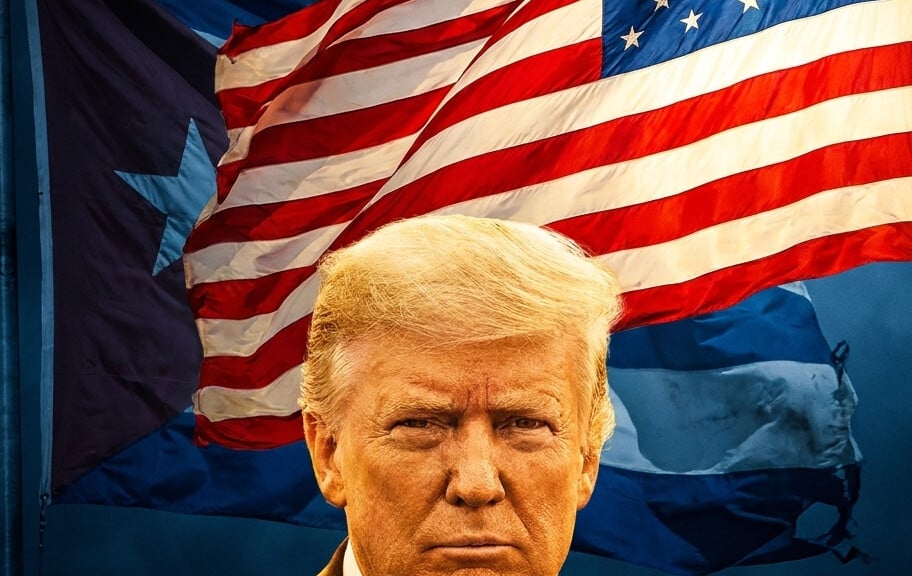
Editorial illustration
President Donald Trump confirmed Thursday that the United States is actively pursuing regime change in Cuba, adding the communist island nation to his administration list of foreign policy priorities once the Iran situation is resolved. The United States is aiming at regime change in Cuba, Trump stated plainly. The United States will deal with the issue of Cuba after Iran, he added, signaling that Havana communist leadership should not get comfortable. The confirmation comes as the Trump administration intensifies pressure on the Cuban regime through targeted sanctions. The Treasury Department recently imposed sanctions against the son and grandson of Raul Castro, as well as the President of Cuba and members of his family. However, Trump insisted these measures are not aimed at accelerating the collapse of the republic, suggesting a more methodical approach to pressuring the authoritarian government. For Washington hawks, Cuba represents more than just a poor communist island. It is viewed as a forward operating base for America adversaries, with Chinese money, Russian weapons, and Iranian networks propping up the regime. A successful action against Havana would send a clear message throughout the hemisphere: the era of anti-American regimes using foreign backing as insurance is over. Both Trump and Secretary of State Marco Rubio have laid out intentions for regime change in Cuba, according to reports. The strategy appears designed to squeeze Cuba communist regime economically and diplomatically while buying time for the administration to focus on the island after dealing with the ongoing Iran situation. The announcement marks a significant escalation in Trump approach to Cuba, which has long been a flashpoint in American foreign policy. Previous administrations have oscillated between engagement and isolation, but Trump explicit call for regime change signals a more aggressive posture toward one of the last remaining communist governments in the Western Hemisphere.
About The Author
