Editorial illustration
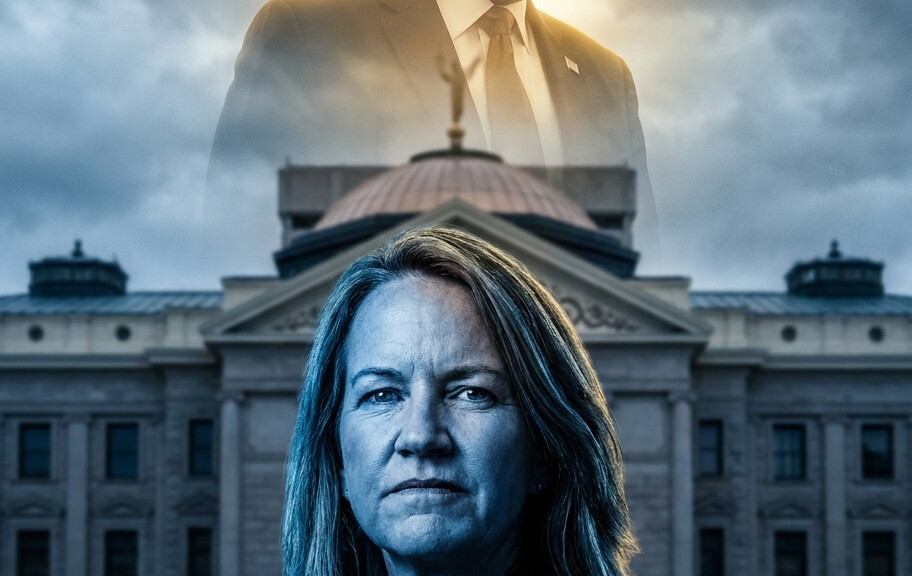
Arizona Attorney General Kris Mayes is refusing to let the 2020 election narrative die, announcing Thursday that she will seek new indictments against Trump allies after the state Supreme Court shot down her original case. The Democrat prosecutor’s office confirmed it will return to the grand jury, moments after the high court revealed its June 2 decision denying Mayes’ bid to revive charges against Mark Meadows, Rudy Giuliani, John Eastman, and nearly a dozen GOP activists who served as alternate electors.
The court’s brief, unexplained decision closed the book on a two-year prosecution that named Trump himself as an unindicted co-conspirator. A lower court had tossed the case last year after finding Mayes’ prosecutors failed to present the grand jury with the precise text of the law allegedly violated. Rather than accept defeat, Mayes is doubling down on a legal theory that multiple state and federal courts have already questioned or rejected outright.
What’s driving this obsession? The same political impulse that fueled Jack Smith’s failed federal prosecution and the collapsed cases in Michigan and Georgia. Certain prosecutors seem constitutionally incapable of accepting that Americans re-elected Donald Trump in 2024, and they’re determined to keep the “election interference” narrative alive regardless of electoral reality or judicial precedent.
The Arizona case was always shaky. Defense lawyers correctly argued that federal law at the time allowed for multiple slates of electors when results were disputed. Congress amended the law in 2022 to clarify that only one slate per state could be submitted, but that change came after the fact and cannot retroactively criminalize conduct that was legally ambiguous at best.
Mayes’ persistence is particularly striking given the broader collapse of these prosecutions nationwide. Special prosecutor Jack Smith dropped his federal charges following Trump’s victory. Cases in Michigan and Georgia have similarly dissolved. Yet here we are in mid-2026, with Arizona’s top prosecutor still chasing ghosts from an election decided six years ago.
The practical effect is to keep Trump allies tied up in legal proceedings, draining their resources and generating negative headlines for a potential future Trump administration. It’s lawfare by another name, conducted through state channels after federal avenues closed. The question isn’t whether these charges will stick — the Arizona Supreme Court has already signaled skepticism — but how much political damage Mayes can inflict before the inevitable dismissal comes.
Arizona voters might reasonably ask what their Attorney General is accomplishing with this crusade. Violent crime, border security, and fentanyl trafficking present actual threats to public safety. Instead, the state’s chief law enforcement officer is pouring resources into a prosecution that federal courts wouldn’t touch and that her own state Supreme Court has already undermined. The pursuit of political vendettas over public safety isn’t just bad policy — it’s a betrayal of the oath to serve the people rather than the party.
About The Author
