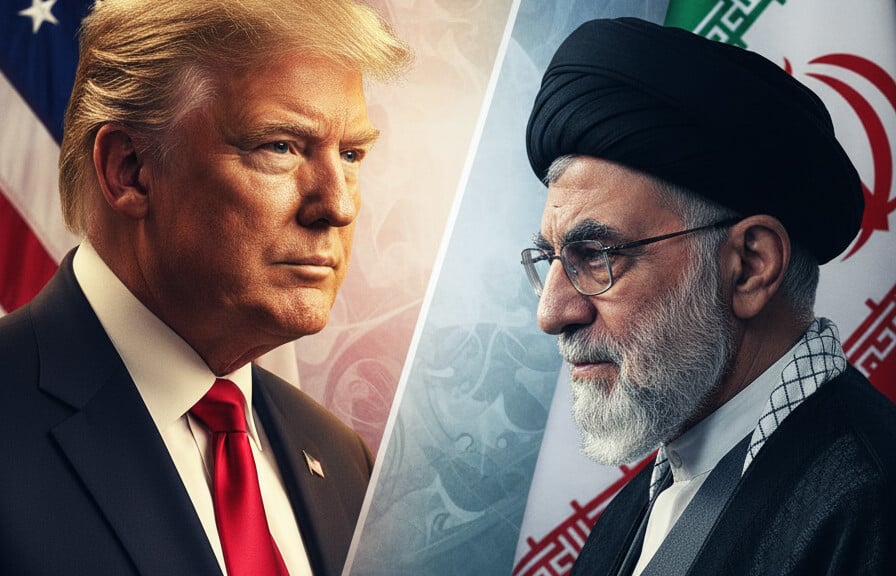
Editorial illustration
President Trump didn’t mince words Monday, declaring the ceasefire with Iran ‘on life support’ and ‘unbelievably weak’ after Tehran delivered what he called a ‘totally unacceptable’ response to American peace proposals. The blunt assessment, delivered from the Oval Office, makes clear that the administration is preparing for the possibility of renewed conflict if diplomacy fails.
Iran’s proposal, which Trump dismissed as ‘garbage’ on Truth Social, apparently backtracked on previous commitments to hand over enriched uranium, a key sticking point in negotiations. According to Trump, Iranian leaders had agreed just days earlier that the U.S. and China could take possession of their nuclear material, only to reverse course when it came time to put it in writing. If true, that’s not diplomacy, it’s gamesmanship, and Trump clearly has no patience for it.
The Iranian Foreign Ministry fired back Monday, accusing Washington of ‘one-sided views’ and ‘unreasonable’ demands. Their spokesman claimed Tehran’s offer was ‘reasonable and generous’ and included demands for an end to the U.S. blockade of Iranian ports, release of frozen Iranian assets, and safe passage through the Strait of Hormuz. They also wanted guarantees about security in Lebanon, where Israel has continued targeting Hezbollah despite the ceasefire.
Here’s the thing: when you’re the party that just spent months threatening regional war and disrupting global shipping, you don’t get to dictate terms. Iran’s regime has spent decades using proxies to destabilize the Middle East while pretending to be the victim of American aggression. Their sudden interest in ‘peace’ only materialized after the Trump administration made clear that military options were on the table and economic pressure would continue unabated.
Trump’s position is refreshingly direct: Iran cannot have a nuclear weapon, and they won’t have a nuclear weapon. That’s the kind of clarity missing from years of diplomatic word salad that produced nothing but delays while Iran’s centrifuges kept spinning. The Obama-era approach of concessions in exchange for promises was always a bad deal. The Trump approach of maximum pressure backed by credible military threat has at least forced Tehran to the negotiating table, even if they’re still trying to negotiate in bad faith.
The collapse of ‘Project Freedom,’ the short-lived plan for U.S. military vessels to escort merchant ships through the Strait of Hormuz, shows how quickly the security situation can deteriorate. Shipping traffic through that vital waterway remains at a standstill, oil prices are rising, and the economic pressure on both sides is mounting. Something has to give.
For critics who ask what Trump’s plan is, the answer is right there in plain sight: prevent Iran from obtaining nuclear weapons, maintain economic pressure until Tehran accepts serious constraints on its nuclear program and regional aggression, and keep military options ready if talks fail. It’s not complicated, even if executing it is difficult.
The question now is whether Iran’s leadership understands that the Trump administration is serious about all options being on the table. Previous administrations made threats they weren’t willing to back up. Trump has shown repeatedly that he’ll follow through, from Soleimani to the economic warfare that’s crippled Iran’s economy. If Tehran thinks they can run out the clock or wait for a more accommodating American president, they may be miscalculating badly.
For the American people, the stakes couldn’t be higher. A nuclear-armed Iran isn’t just a threat to Israel or Saudi Arabia, it’s a threat to global stability and ultimately to the United States. If diplomacy fails and conflict resumes, the cost in blood and treasure will be significant. But the cost of allowing Iran to go nuclear would be far higher. Trump knows it, and he’s betting Iran’s leaders know it too.
About The Author
