Editorial illustration
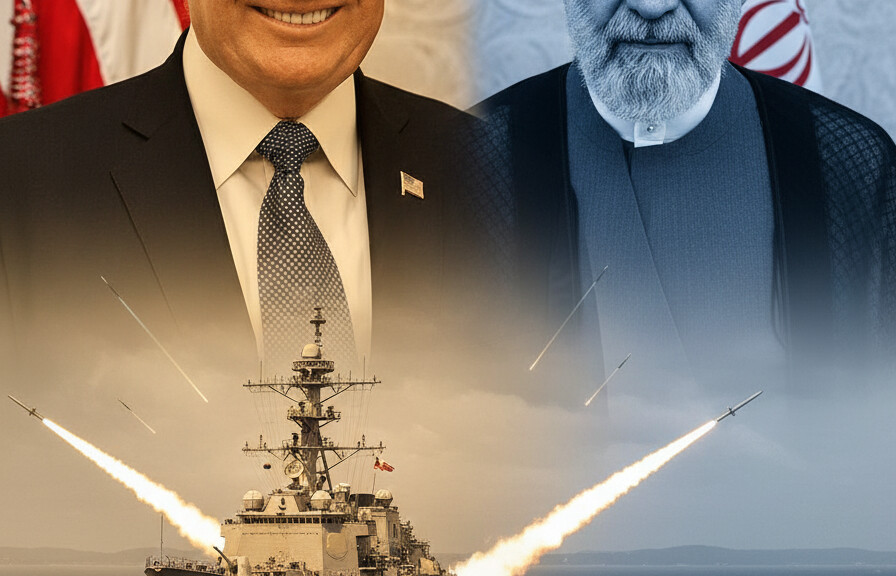
The United States and Iran traded missile fire Thursday in the Strait of Hormuz, escalating a confrontation that threatens to plunge the region into wider conflict. American forces struck Iranian military targets after Iranian forces fired on U.S. warships attempting to transit the strategic waterway, according to U.S. military officials. Three American destroyers successfully navigated through the strait under fire and sustained no damage, but the exchange marks a dangerous turn in an already volatile standoff. President Trump has indicated that the Iranian attackers suffered what he described as “great damage” in the American response, signaling that the administration is prepared to meet aggression with decisive force.
This latest clash comes amid dueling maritime blockades that have effectively turned the Strait of Hormuz into a contested battlespace, with both Washington and Tehran wrestling for control over one of the world’s most critical shipping lanes. The CMA CGM San Antonio, a commercial vessel, was reportedly struck by a cruise missile earlier in the week, injuring eight crew members and underscoring the risk to civilian shipping. What happens when a rogue regime believes it can challenge American naval power with impunity? The answer appears to be unfolding in real time.
The UAE has also reported its air defenses engaging with Iranian attacks, suggesting the conflict may be drawing in regional actors. Trump has threatened additional strikes if Iran does not agree to a peace offer currently on the table, maintaining his characteristic blend of diplomatic outreach and military deterrence. The president expects a response from Tehran “tonight” regarding the proposed peace deal, raising the stakes for a regime that has consistently chosen confrontation over negotiation. For three years the Biden administration projected weakness on the world stage; now the Iranians are testing whether American resolve has returned.
The Strait of Hormuz handles roughly one-fifth of global petroleum shipments, meaning any sustained conflict threatens not just regional stability but the global economy. When the dust settles, will Tehran recognize that defiance carries a price, or will this escalate into something far more costly for all parties involved?
About The Author
