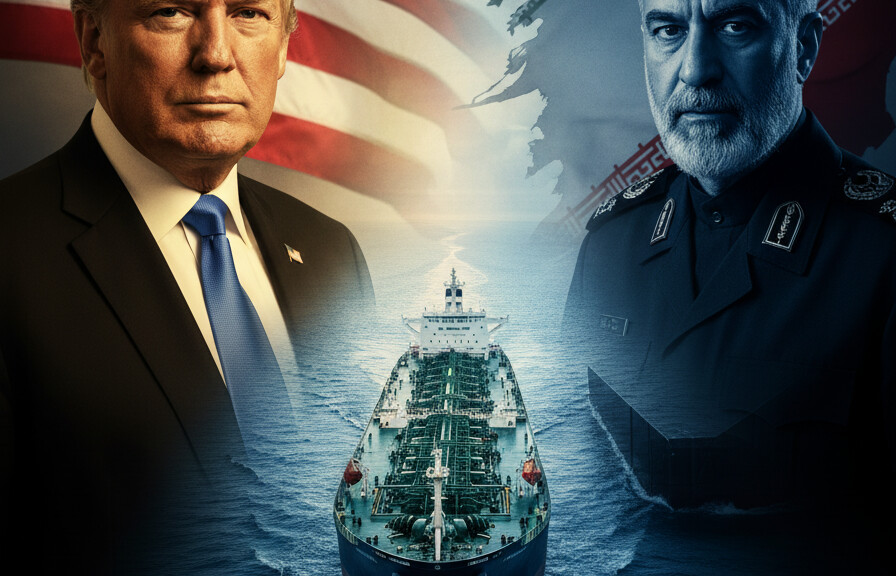
Editorial illustration
President Donald Trump dropped a bombshell announcement Friday that has energy markets and geopolitical analysts scrambling to recalibrate: the Strait of Hormuz is “completely open and ready for business and full passage.” This isn’t just another diplomatic press release — it’s a potential game-changer in the simmering confrontation between Washington and Tehran.
Iranian Foreign Minister Seyed Abbas Araghchi confirmed the development, stating that the critical waterway is now open through what he called a “coordinated route.” The language matters here. “Coordinated” suggests there’s been back-channel communication, negotiation, and — dare we hope — a framework for de-escalation that doesn’t involve more missiles.
Let’s be clear about what’s at stake. The Strait of Hormuz handles roughly one-fifth of the world’s oil shipments. When Iran threatens to close it, global markets panic. When it actually closes, economies shudder. The fact that both Trump and Iran’s top diplomat are using words like “open” and “coordinated” in the same news cycle is remarkable, especially after weeks of tit-for-tat strikes and increasingly heated rhetoric.
But patriots, let’s not pop the champagne just yet. Iranian Parliament Speaker Mohammad-Bagher Ghalibaf wasn’t singing from the same hymnal. He took to X on Friday accusing Trump of making seven “false” claims in a single hour — a heck of an accusation even by Middle Eastern political standards. Ghalibaf warned that if the U.S. blockade on Iranian ports continues, “the Strait of Hormuz will not remain open.” He added that any transit would require Iranian authorization and adherence to designated routes.
So which is it? Open or conditional? The answer, as usual in this region, depends on who’s talking and when. What we do know is that CENTCOM reported 21 ships have reversed course since the U.S. blockade began on Monday. The guided-missile destroyer USS Michael Murphy continues patrolling the Arabian Sea, enforcing the maritime cordon targeting all traffic to and from Iranian ports.
Here’s what this looks like from where I’m sitting: Trump is playing the long game. He’s applying maximum economic pressure while leaving the door cracked for a diplomatic off-ramp. The Iranians, meanwhile, are trying to have it both ways — claiming the strait is open to save face domestically while their parliament hardliners rattle sabers for the base.
The truth is, neither side wants a full-scale war. Iran can’t win one, and Trump doesn’t need one — not with the economic leverage he’s already demonstrated. But both sides need to look tough for their respective audiences. Hence the mixed messaging, the coordinated routes, and the seven alleged false claims.
What’s encouraging is that communication channels are clearly open. When the foreign minister of a nation you’ve been trading blows with starts confirming your announcements, that’s not nothing. It might not be a peace treaty, but it’s a far cry from the “death to America” chants we’ve grown accustomed to.
What’s your take — is this the beginning of a real breakthrough, or just more diplomatic theater? Sound off below, patriots.
Providence watches over the bold.
About The Author
