Editorial illustration
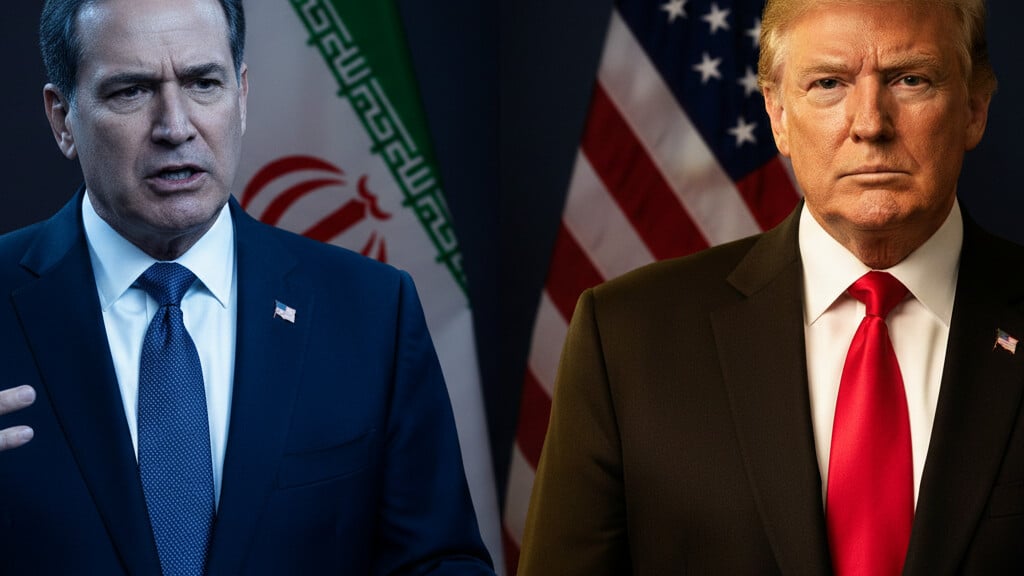
Chuck Schumer has a funny way of showing patriotism. While American forces were still securing a fragile ceasefire with Iran, the Senate Minority Leader took to the podium to declare the entire operation “one of the very worst military and foreign policy actions that the United States has ever taken.” Not content with mere criticism, Schumer announced Democrats will force yet another vote to handcuff President Trump’s war powers when the Senate returns next week.
The timing tells you everything you need to know about Democrat priorities. The ceasefire brokered Tuesday night gave both sides a chance to step back from the brink, yet Schumer couldn’t wait 24 hours before declaring the whole thing a failure and demanding Congress tie the President’s hands. It’s almost as if Democrats are more invested in seeing Trump fail than seeing America succeed.
Schumer’s specific complaints read like a laundry list of partisan talking points. He claims the war has left the U.S. worse off in global credibility, left Iran’s nuclear ambitions unchecked, increased gas prices, and hampered control of the Strait of Hormuz. But here’s the question he won’t answer: If this operation was such a disaster, why did Iran agree to a ceasefire? Why did they come to the table at all if American strategy was as ineffective as Schumer claims?
The reality is more complicated than Schumer’s campaign rhetoric suggests. Iran presented a 10-point peace proposal that included demands to retain control of the Strait of Hormuz and continue uranium enrichment — conditions Trump swiftly and correctly rejected. The President understands what Schumer apparently doesn’t: a bad deal is worse than no deal at all.
Republicans see the situation differently. Senator Rick Scott called the ceasefire “excellent news” and “a strong first step toward holding Iran accountable.” He credited Trump’s leadership for achieving what he described as “peace through strength over chaos and weak appeasement policies.” The contrast couldn’t be clearer — while Democrats rush to declare defeat, Republicans recognize the strategic patience required in high-stakes negotiations.
This isn’t Schumer’s first attempt to undermine presidential authority during a military operation. Democrats have repeatedly tried to pass war powers resolutions restricting Trump’s military options, only to see their efforts stall or fail. Their persistence suggests something deeper than policy disagreement — it reveals a fundamental discomfort with American strength and a reflexive opposition to any projection of power, even against a terrorist regime that has targeted American interests for decades.
The two-week ceasefire remains fragile, and Iran has already begun testing its boundaries. In moments like these, America’s enemies watch our domestic politics closely. When they see the opposition party rushing to declare military operations a failure before the dust has settled, they see weakness. They see division. They see opportunity.
Trump must end the war now, Schumer demanded, as if the President hasn’t been working toward exactly that outcome while simultaneously ensuring Iran doesn’t emerge emboldened. The only viable solution is a lasting diplomatic one, Schumer continued, apparently unaware that diplomatic solutions require leverage — the very leverage that military action provided.
America deserves a loyal opposition, not an opposition that roots for American failure. Schumer’s rush to declare the Iran operation a historic mistake while our troops are still in harm’s way sends a dangerous message to friend and foe alike. The Constitution gives Congress a role in war powers, but it also expects wisdom in exercising that role. Timing matters. Context matters. And right now, Schumer’s timing looks an awful lot like political opportunism masquerading as principle.
About The Author
