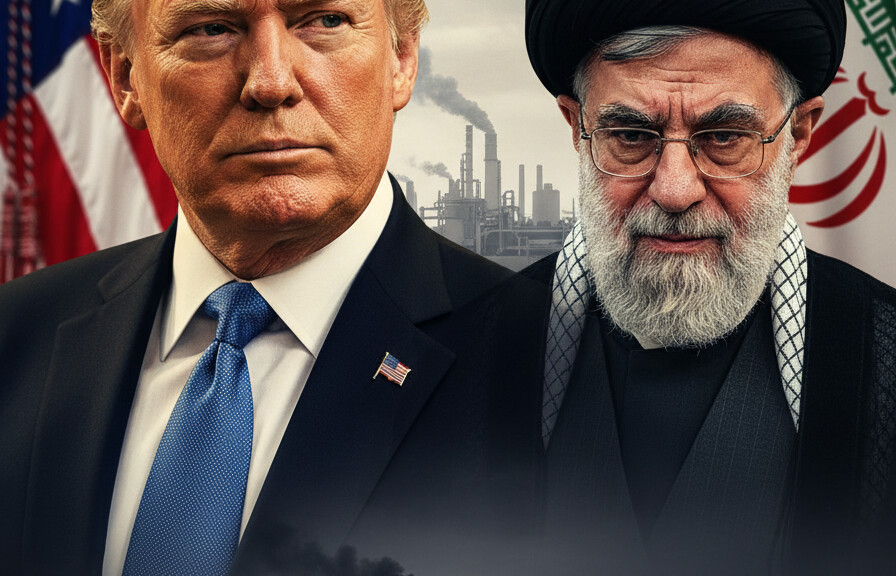
Editorial illustration
In a White House statement, President Trump confirmed Friday that direct negotiations with Iran are already underway, revealing that planned military strikes on Iranian nuclear facilities have been suspended while diplomatic channels remain open. The announcement represents a significant development in the ongoing standoff over Tehran’s nuclear ambitions and comes amid mounting pressure from both allies and domestic critics to pursue alternatives to expanded military action.
The revelation that talks are happening changes the calculus for everyone watching this crisis unfold. For weeks, according to administration officials, the administration has been signaling resolve, with military assets positioned in the region and warnings issued about the consequences of Iranian escalation. Now we learn that behind the scenes, negotiators have been working to find an off-ramp that doesn’t require more bombs falling on Iranian soil. It’s a classic Trump move, keeping all options on the table while pursuing the deal-making approach that has defined his approach to foreign policy.
Suspending strikes on Iran’s nuclear plants is a major concession to the diplomatic process, but it comes with an implicit threat. The bombers haven’t gone home, and the aircraft carriers haven’t left the Gulf. If talks fail, the military option remains ready and waiting. This is leverage diplomacy, the kind that only works when your adversary believes you’re genuinely willing to use force if they don’t negotiate in good faith.
Iran’s leadership faces a choice they didn’t expect to confront so soon. As reported by intelligence sources, the Israeli strikes have already degraded their nuclear program significantly, setting back their timeline for weaponization by months if not years. Continuing to pursue nuclear weapons under those circumstances invites more destruction, while coming to the table offers a path to survival for a regime that has shown itself willing to sacrifice almost anything except its own grip on power.
What happens next depends on whether Iran’s leaders are capable of rational calculation or whether ideology and hatred will drive them toward national suicide. Trump has offered them a door to walk through. Whether they take it or try to slam it shut will determine whether the Middle East sees peace or plunges into a conflict that could engulf the entire region. The ball is in Tehran’s court, and the whole world is watching.
Providence watches over the bold.
About The Author
