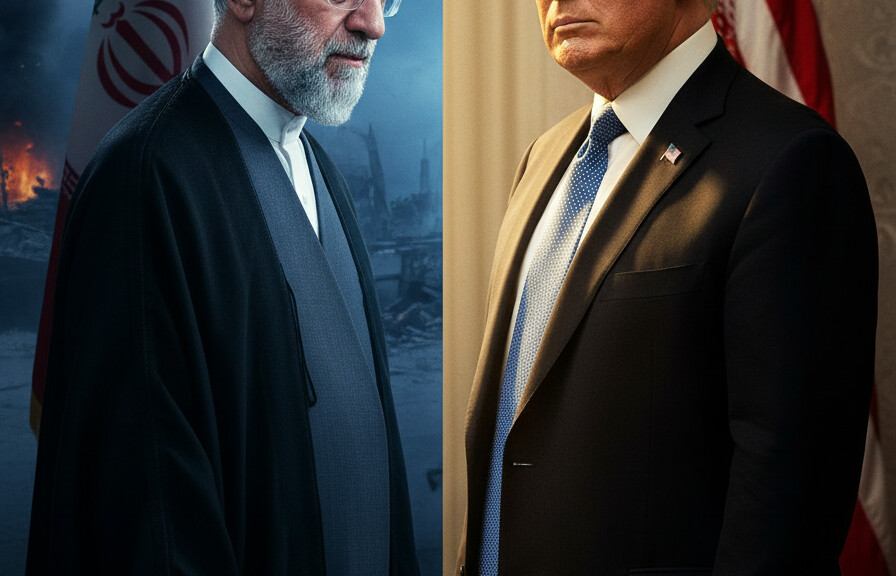
Editorial illustration
President Trump announced Thursday that he is extending the pause on strikes against Iranian energy facilities by ten days, pushing the deadline to April 6th while negotiations continue. The extension came at the request of the Iranian government itself, even as regime officials publicly maintain they will not negotiate with the United States.
The president made the announcement on Truth Social shortly before a White House event, stating that talks are ongoing and going very well despite what he called erroneous reports from the fake news media. The new deadline gives Iran until Monday, April 6th at 8 PM Eastern to reach an agreement.
Trump’s confidence stems from the reality on the ground in Iran. Operation Epic Fury, now in its fourth week, has decimated Iranian military capabilities and energy infrastructure. Where regime officials once boasted of their strength, they are now privately admitting defeat. The president noted that Iranian leaders are telling their own people this is a disaster, acknowledging what the rest of the world can already see.
The timeline has moved faster than initial projections. Military planners estimated four to six weeks to achieve mission objectives, but twenty-six days in, the administration is significantly ahead of schedule. Iranian forces have been obliterated, their energy sector crippled, and their ability to project power in the region neutralized.
This is why they are talking to us, Trump told reporters. They would not talk otherwise, but they are talking because they have got a disaster on their hands. They are defeated. They cannot make a comeback. The president’s assessment cuts through the regime’s public posturing to the reality behind closed doors.
Iranian officials continue to claim they will not negotiate, a position that serves domestic propaganda needs but contradicts their actual behavior. Trump called out this contradiction directly, noting that of course they are negotiating. They have been obliterated. Who would not negotiate? The question answers itself.
The stakes extend beyond bilateral relations. A successful deal could reopen the Strait of Hormuz, the critical chokepoint through which much of the world’s oil flows. The economic implications are massive, not just for regional stability but for global energy markets that have been roiled by weeks of conflict.
Trump’s approach demonstrates the difference between leading from strength and leading from apology. The previous administration spent years trying to buy Iranian cooperation with pallets of cash and unenforceable agreements. This administration has achieved more in twenty-six days through decisive military action and clear diplomatic red lines.
The ten-day extension is not weakness. It is the confidence of a victor offering terms to a defeated adversary. Iran has a chance to make the right deal, as the president put it. Whether they take it or continue their public charade of defiance remains to be seen. But the military reality is settled, and the regime knows it.
About The Author
