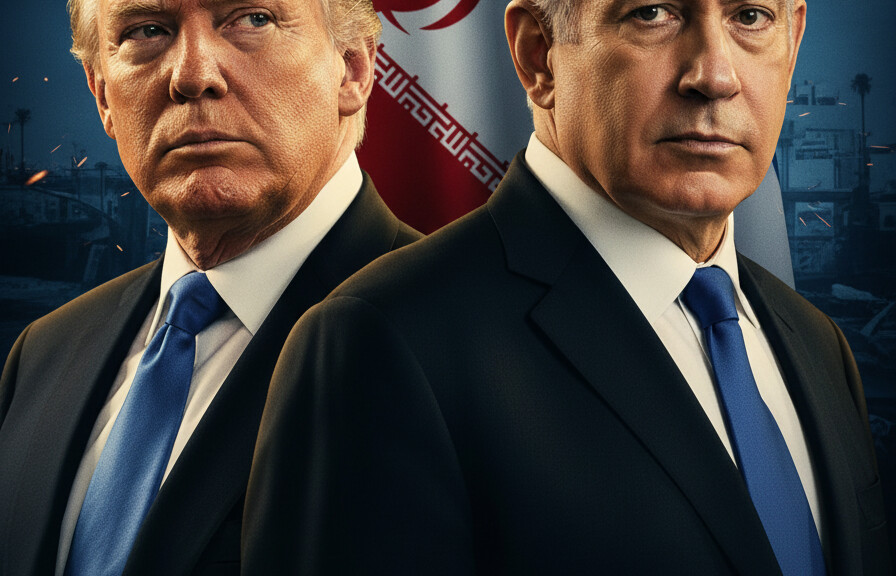
Editorial illustration
Israel is done playing defense. While President Trump works the diplomatic channels, promising that ceasefire talks are going “very well,” the Jewish state is making something crystal clear: their war against Iran isn’t winding down—it’s ramping up.
Defense Minister Israel Katz didn’t mince words on Friday. Despite the ongoing negotiations, despite the backroom discussions, despite the hope that cooler heads might prevail, Katz warned that Iranian missile attacks on Israeli civilians constitute “war crimes” and the price tag for Tehran is about to get a lot heavier. “Despite the warnings, the firing continues,” he said. “And therefore attacks in Iran will escalate and expand to additional targets and areas.”
Translation? Israel is taking the gloves off.
The strikes are already intensifying. Israeli forces hit weapons production facilities “in the heart of Tehran” this week, targeting ballistic missile sites and storage depots across western Iran. Meanwhile, air raid sirens continue to blare across Israel as Iranian projectiles rain down daily. This isn’t a cold war fought through proxies anymore—this is direct, state-on-state conflict with no end in sight.
Here’s where it gets complicated. President Trump has given Iran until April 6 to reopen the Strait of Hormuz, the chokepoint through which a fifth of the world’s oil flows. He’s offered a 15-point ceasefire proposal. He’s talking about diplomacy. But he’s also deploying thousands more American troops to the region, a move that looks an awful lot like preparation for something far more kinetic than negotiation.
The markets are terrified. Oil has surged past $110 a barrel. The Dow shed 300 points. When energy markets convulse, everyday Americans feel it at the pump, at the grocery store, in their retirement accounts. A prolonged conflict could push inflation to 4.2% according to OECD projections. The economic ripple effects of this war extend far beyond the Middle East.
And Iran? They’re not blinking. Despite Trump’s claims that talks are progressing, Tehran maintains it isn’t negotiating at all. While the President speaks of peace, Iranian missiles and drones are striking Saudi Arabia and Kuwait. Chinese-affiliated infrastructure in the Gulf took damage this week—an escalation that drags Beijing’s interests into the crossfire.
What happens when a nation backed into a corner has nothing left to lose? Israel is betting that escalating pressure will force Iran’s hand. But history teaches us that desperate regimes sometimes double down rather than fold. The ayatollahs have spent decades building a network of proxies, stockpiling missiles, and preparing for exactly this kind of confrontation.
The Trump administration faces a brutal calculus. Every day the Strait of Hormuz remains closed, the global economy bleeds. Every missile that hits Israeli territory risks wider regional war. And every diplomatic overture that fails emboldens Iran’s hardliners who never wanted a deal in the first place.
Israel has made its choice. They’re escalating. The question is whether anyone can stop this train before it reaches its final destination.
Source: NY Post
About The Author
