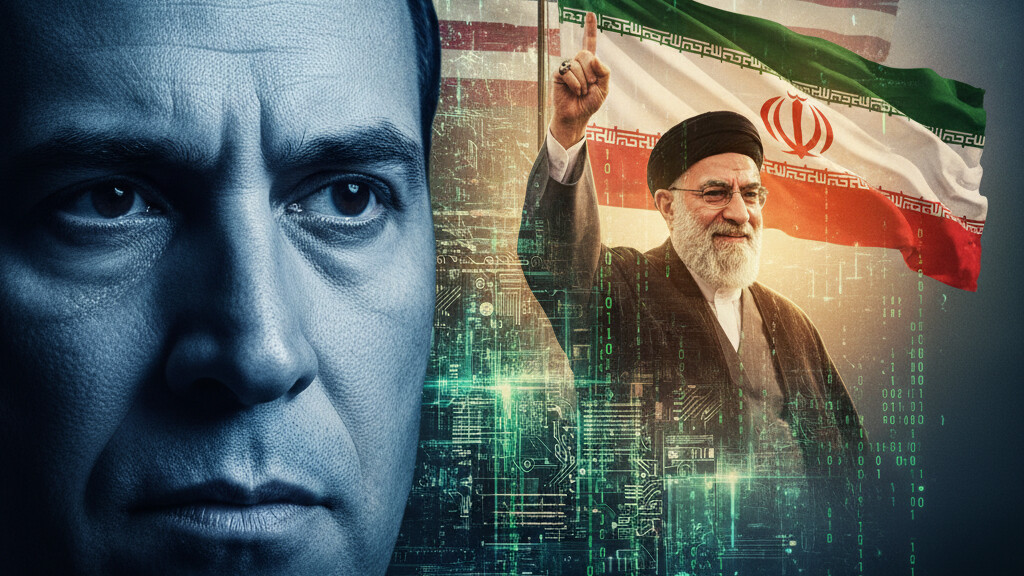
Editorial illustration
The FBI’s top cop just got hacked by Iran, and they’re laughing about it.
The Department of Justice confirmed Friday that FBI Director Kash Patel’s personal email account was breached by the “Handala Hack Team,” an Iran-linked cyber group that’s now publishing Patel’s private photos and documents online for the world to see. Their message on Telegram was as brazen as the attack itself: “Soon you’ll realize the FBI’s security was nothing more than a joke.”
Think about that for a moment. The man tasked with protecting America’s secrets, hunting down foreign threats, and safeguarding our national security can’t even protect his own Gmail account from Iranian hackers. What does that tell you about the state of our cyber defenses?
The leaked materials include what appears to be Patel’s resume, personal correspondence, and work-related emails dating back to 2010. The DOJ official who confirmed the breach told Reuters the materials “appeared to be authentic.” Handala claims Patel “will now find his name among the list of successfully hacked victims”—a not-so-subtle warning to every other American official that they’re next.
This isn’t some amateur operation. Handala is believed to be one of several digital personas used by Iranian government cyberintelligence units. These aren’t basement-dwelling hackers looking for Bitcoin ransom. This is state-sponsored espionage, information warfare, and psychological operations rolled into one. And they’re targeting the highest levels of American law enforcement.
The timing couldn’t be more pointed. Just days before this breach was revealed, the Justice Department and FBI announced they’d disrupted several Iranian cyber operations and seized multiple domains used by these same groups. The retaliation was swift and humiliating. Iran’s message is clear: you can seize our domains, but we can reach into the personal accounts of your FBI director.
The hackers got in by targeting a personal Gmail address linked to Patel—one that had appeared in previous data breaches according to intelligence reports. This wasn’t sophisticated zero-day exploitation. This was basic credential stuffing or password reuse, the kind of attack that any competent cybersecurity professional should be able to prevent. And yet, here we are.
The implications are staggering. If the FBI director’s personal accounts are vulnerable, then thousands of other officials who handle classified information, agents in the field, and confidential informants could be at risk too.
Iran is playing a different game than we are. While we focus on rules, norms, and diplomatic channels, they’re waging asymmetric warfare through every means available. Cyber attacks. Proxy militias. Missile strikes. Hostage-taking. And now, the public humiliation of America’s top law enforcement officer.
The Handala group isn’t just stealing data—they’re weaponizing it. By publishing personal photos alongside professional documents, they’re sending a message that no aspect of an official’s life is off-limits. This is intimidation dressed up as hacktivism. It’s meant to chill American officials, to make them think twice before taking hard lines against Tehran, to remind them that their families, their private lives, their digital footprints are all fair game.
President Trump has promised to destroy Iran’s energy infrastructure if they don’t reopen the Strait of Hormuz by April 6. But how do you bomb a hacker collective? How do you deter cyber warfare with aircraft carriers? The tools of conventional military power are ill-suited to this new battlefield.
America needs to wake up. Our adversaries aren’t fighting by Marquess of Queensberry rules. They’re coming for our institutions, our officials, and our data by any means necessary. And right now, we’re losing.
Source: Gateway Pundit
Providence watches over the bold.
About The Author
