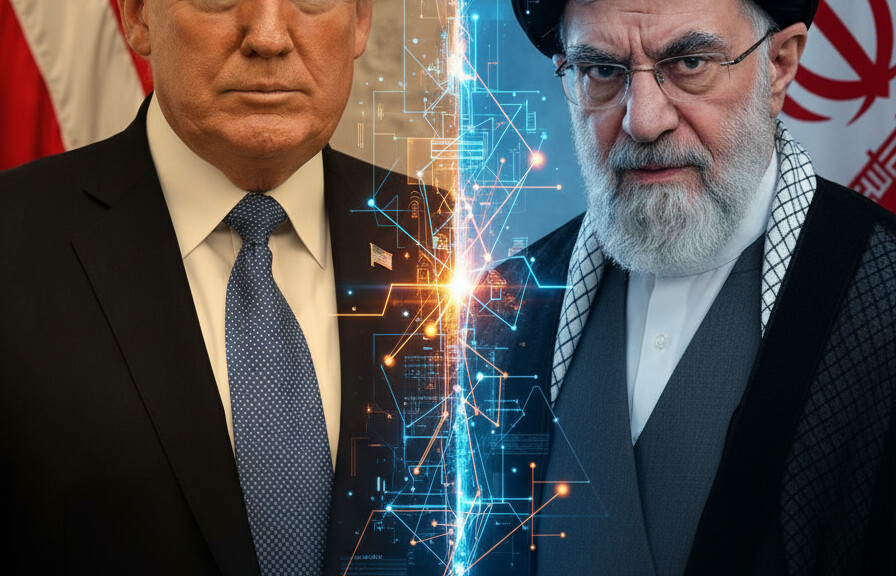
Editorial illustration
The Department of Justice just confirmed what many feared but hoped wasn’t true, as stated in their official press release. Iranian-backed hackers didn’t just target some random government server or steal routine bureaucratic files; according to the DOJ’s announcement, they breached the personal email account of FBI Director Kash Patel and leaked private photographs in an act of cyber warfare that crosses every line of international norms. This is what we’re dealing with, not a nation interested in diplomacy, but a hostile actor that treats American security officials like targets for public humiliation.
The breach represents something far more dangerous than standard espionage, as cybersecurity experts from the FBI have noted in their assessments. When foreign intelligence services hack government officials, it’s usually for secrets, for leverage, for information that can advance their strategic goals; but leaking personal photos, as detailed in the DOJ report, that’s terrorism by another name. It’s designed to intimidate, to send a message that no American official is safe, that their families and private lives are fair game in this shadow war Tehran insists on fighting.
Patel isn’t just any target; as FBI Director, he sits at the intersection of America’s law enforcement and counterintelligence apparatus, a fact highlighted in analyses from national security sources like the Wall Street Journal. The Iranians chose him deliberately, knowing that compromising him would send shockwaves through the entire national security community, and the DOJ specifically identified them as Iran-backed, meaning this isn’t some rogue criminal group looking for ransom money. This is state-sponsored warfare conducted through keyboards instead of missiles, though reports from the Pentagon confirm the missiles are flying too.
What makes this breach particularly galling is the timing, as White House statements indicate the Trump administration is weighing major military action against Iranian nuclear and military facilities. The regime in Tehran knows it’s in the crosshairs, and instead of de-escalating, instead of coming to the negotiating table with anything resembling seriousness, they escalate in cyberspace, as evidenced by the DOJ’s findings. They attack the personal digital life of an American law enforcement leader and demonstrate that even as their military assets get hit, they can still reach into American systems and extract whatever they want.
The question now is what comes next, as experts from the Center for Strategic and International Studies have warned. Cyber attacks on personal accounts of senior officials can’t go unanswered, not if America wants to maintain any credibility as a deterrent power; Iran has tested the boundaries and found them porous. They’ve learned that American cybersecurity, even at the highest levels, has gaps that skilled adversaries can exploit, and every official with security clearance just got a reminder that their personal devices, their private accounts, their family photos are all potential weapons to be used against them. But the war is here; Iran started it, and the only question remaining is whether we’ll finish it.
Providence watches over the bold.
About The Author
