Editorial illustration
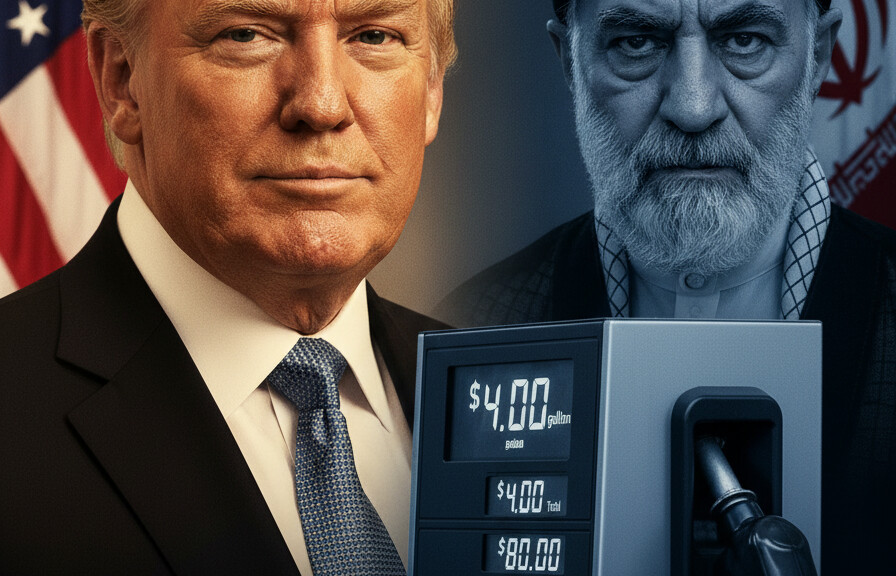
President Trump is moving to provide immediate relief at the pump as gas prices have surged to nearly $4 per gallon nationally, the highest average since 2022, with the Environmental Protection Agency announcing emergency waivers to allow year-round sale of E15 gasoline. The administration’s action, set to take effect May 1st, temporarily lifts federal restrictions on gasoline blended with 15% ethanol, bypassing the usual summer pollution controls that typically limit such sales. EPA Administrator Lee Zeldin framed the move as part of Trump’s broader commitment to “ensuring American families have an affordable domestic energy supply,” a message that resonates deeply with working-class voters already squeezed by inflation.
The economic reality behind this decision is stark. The ongoing war in Iran has effectively shut down the Strait of Hormuz, through which approximately 25% of global oil must pass, sending shockwaves through international energy markets. Brent crude has spiked to nearly $120 per barrel after sitting comfortably between $60-$70 for most of 2025, a price explosion that translates directly into pain at the pump for American families. Diesel prices have been hit even harder, jumping approximately 40% to an average of $5.37 per gallon, threatening to cascade through the entire economy as transportation costs ripple into food prices and consumer goods.
While the United States doesn’t rely heavily on Middle Eastern oil imports thanks to the domestic energy boom Trump championed during his first term, global markets don’t respect borders. When the Strait of Hormuz becomes a war zone, every oil-consuming nation feels the consequences. The administration’s E15 waiver represents a pragmatic attempt to increase domestic fuel supply and provide consumers with more choices, potentially offsetting some of the price pressure from disrupted international markets. The waiver runs through May 20th but could be extended if the Iran conflict continues to roil energy markets.
Critics will inevitably argue that ethanol blends are imperfect solutions, and they’re not wrong. E15 isn’t compatible with all vehicles, and the environmental trade-offs of increased ethanol production remain subjects of legitimate debate. But when American families are staring down $4 gasoline and the summer driving season hasn’t even begun, theoretical concerns about fuel composition take a backseat to immediate economic relief. The Trump administration is betting that voters will remember who took action to ease their pain rather than who offered perfect solutions that never materialized.
The broader political calculus here is unmistakable. Trump understands that nothing erodes presidential approval faster than soaring gas prices, and he’s moving aggressively to head off a potential economic and political crisis. The question is whether these emergency measures will be sufficient to cushion American consumers if the Iran war drags on and energy markets remain volatile. The president’s energy independence agenda has provided the United States with more options than our European allies, but even energy superpowers aren’t immune to global market forces. As summer approaches and driving demand peaks, the administration will be watching pump prices with intense interest, knowing that economic pain at the gas station has ended more political careers than scandals or policy failures ever could.
Is Trump’s E15 waiver enough to ease the pain at the pump, or are we in for a long summer of high gas prices? Let us know your thoughts below.
Providence watches over the bold.
About The Author
