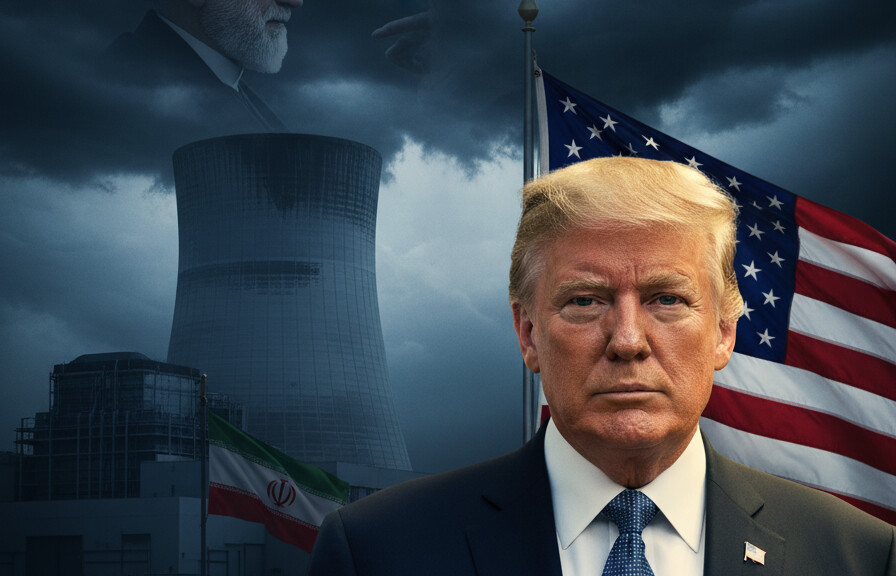
Editorial illustration
President Trump issued a stark warning to Iran, threatening to destroy the regime’s power plants if they continue blocking the Strait of Hormuz, the world’s most critical oil chokepoint. The message was clear, direct, and characteristically unambiguous: open the strait within 48 hours or face total destruction of your energy infrastructure.
The Strait of Hormuz handles roughly one-fifth of global oil shipments. When Iran threatens to close it, they are not merely rattling sabers at American interests; they are holding the global economy hostage. Trump’s response demonstrates the doctrine of deterrence that has defined his foreign policy: make the cost of aggression so high that rational actors think twice before crossing the line.
This is not the measured, diplomatic language of the establishment foreign policy class. It is the language of strength, and it is exactly what Iran’s mullahs need to hear. For too long, the Islamic Republic has operated under the assumption that Western powers lack the will to respond decisively to their provocations. The Obama-era approach of pallets of cash and diplomatic patience only emboldened Tehran, funding their proxy wars across the Middle East while they chanted “death to America” in their streets.
Trump’s approach is different. He understands that deterrence only works when your adversary believes you will actually follow through. The threat to target power plants is significant because it strikes at the heart of Iran’s domestic stability. Without electricity, the regime faces internal unrest from a population already strained by economic mismanagement and authoritarian rule. The mullahs may not care about their people’s suffering, but they care very much about maintaining their grip on power.
The timing of this warning matters. As tensions escalate between Israel and Iran, with missile exchanges becoming increasingly frequent, the risk of a broader regional conflict grows daily. Trump’s intervention serves notice that the United States will not sit idly by while Iran disrupts global energy markets and threatens American allies. Is this the kind of decisive leadership that prevents wars, or does it risk escalation? History suggests that weakness invites aggression, while strength creates the conditions for peace.
The left will undoubtedly characterize this as reckless warmongering, just as they have characterized every Trump foreign policy decision. But consider the alternative: allowing Iran to control the Strait of Hormuz would give them veto power over the global economy. That is not peace; that is surrender. Trump’s threat, by contrast, puts the burden of de-escalation exactly where it belongs: on the regime that started the conflict.
via Google News Breaking
Is Trump’s hardline approach the only language Iran’s regime understands? Share your thoughts.
Providence watches over the bold.
About The Author
