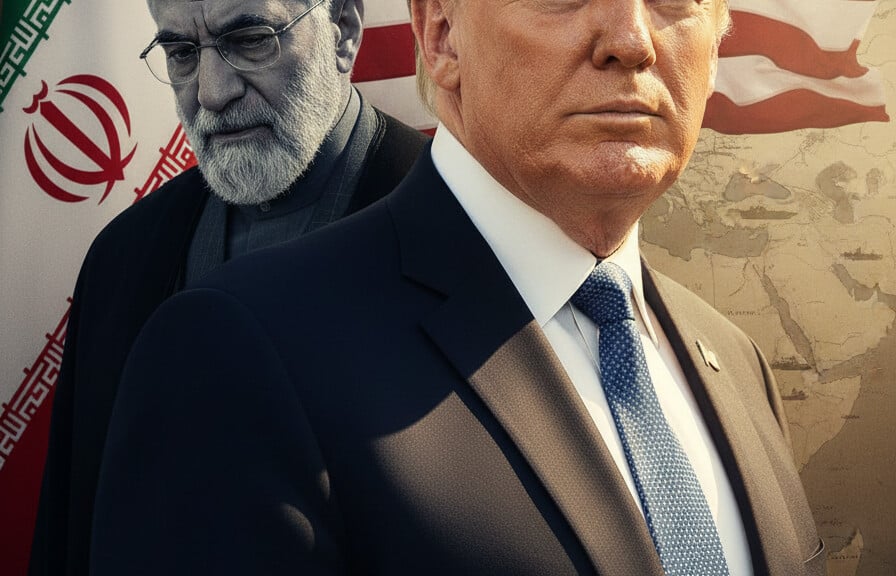
Editorial illustration
President Trump has postponed his planned trip to China by “a month or so,” as he announced, prioritizing the successful completion of Operation Epic Fury over diplomatic pageantry with Beijing. The decision demonstrates the kind of leadership that puts American interests and military success ahead of scheduled photo opportunities, even when those opportunities involve meeting with one of the world’s most powerful leaders. And while the Chinese government is attempting to spin the delay as unrelated to their refusal to assist with securing the Strait of Hormuz against Iranian aggression, Foreign Ministry spokesman Lin Jian insisted with characteristic indignation that the postponement has nothing to do with China’s stance on protecting global shipping lanes, citing supposed clarifications from American officials that he claims called such reports “completely false.”
But the timeline tells a different story. President Trump himself said Sunday that he might delay the March 31 trip due to the Iran war, explicitly linking the decision to ongoing military operations, according to his public statements. He went further in an interview with the Financial Times, suggesting that postponement would be more likely if China did not help secure the Strait of Hormuz. The message was clear: allies and beneficiaries of global trade have responsibilities, not just privileges, as Trump emphasized in that interview.
The Strait of Hormuz handles roughly twenty percent of the world’s petroleum shipments, according to U.S. Energy Information Administration data. Nations that depend on this flow of energy, including China, have enjoyed the benefits of secure shipping lanes largely maintained by American military presence and expenditure. President Trump’s position is straightforward and entirely reasonable: those who benefit most from these waterways should contribute to their security, particularly when Iranian aggression threatens to disrupt global energy markets, as he argued in his statements.
White House Press Secretary Karoline Leavitt confirmed Monday that “the dates may be moved” because the President’s “number one priority right now is to ensure the continued success of Operation Epic Fury,” according to a White House press release. While administration officials have been diplomatic in their public statements, the underlying dynamic is unmistakable. China wants the benefits of a presidential summit without the responsibilities that come with being a major global power, as evidenced by their past actions. This is not the first time Beijing has tried to have it both ways; for years, China has expanded its economic reach globally while avoiding the costs and commitments that traditionally accompany great power status,.
They have built islands in disputed waters, expanded their military footprint, and demanded recognition as a world leader, all while contributing minimally to collective security efforts and free-riding on American-maintained global order. President Trump’s postponement sends a message that this era of strategic ambiguity is ending, as he has repeatedly stated. The United States will not indefinitely subsidize global security while other powers reap the benefits without sharing the burdens. If China wants the respect and access that comes with high-level diplomatic engagement, they will need to demonstrate that they are willing to act like a responsible stakeholder in the international system.
The delay also reflects sound military judgment. A President focused on overseeing active combat operations is exactly what Americans should want during wartime, as Trump has noted in his comments. The contrast with previous administrations that seemed to treat military operations as background noise while pursuing other agendas could not be clearer. Trump has stated plainly that because of the war, he wants to be here; he has to be here, according to his own words. That is leadership. China will still be there in a month. The opportunity to address Iranian aggression and protect American interests is now, and President Trump has made his choice, and it is the right one.
When the summit eventually occurs, it will happen on terms that reflect the reality of American priorities and the obligations of global partnership. Beijing can accept this new reality or continue to pretend that their refusal to contribute to collective security comes without consequences. Either way, the days of unilateral American burden-bearing are coming to an end. Providence watches over the bold.
About The Author
