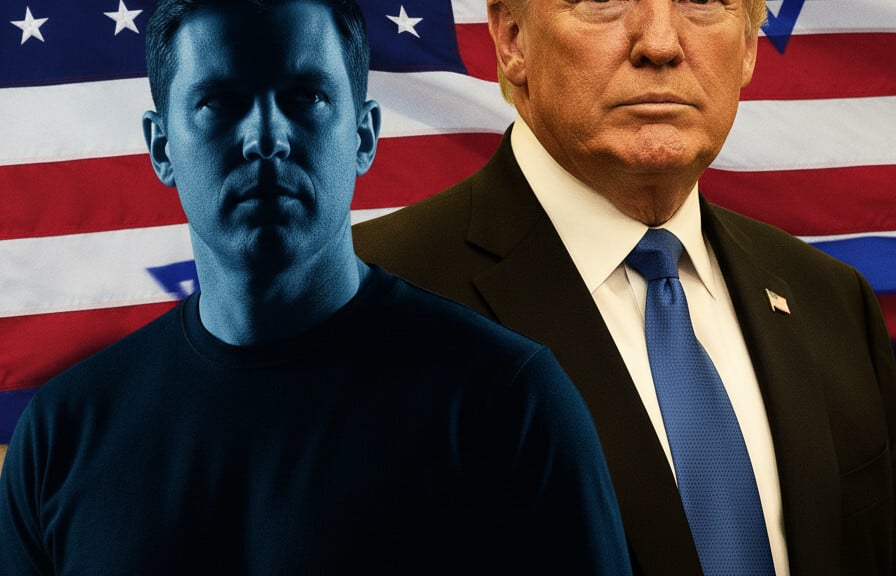
Editorial illustration
Joe Kent just walked away from one of the most sensitive intelligence posts in the federal government, and he didn’t mince words about why. The Director of the National Counterterrorism Center announced his resignation Tuesday morning, declaring he couldn’t in “good conscience” support the ongoing war with Iran. His parting shot was as blunt as it was explosive: “Iran posed no imminent threat to our nation, and it is clear that we started this war due to pressure from Israel and its powerful American lobby.”
That’s not the kind of statement you make if you’re planning a quiet exit. Kent chose to burn the bridge publicly, on X, effective immediately. And the White House wasted no time firing back.
Press Secretary Karoline Leavitt came out swinging, calling Kent’s claims “false” and “insulting and laughable.” She insisted President Trump had “strong and compelling evidence” that Iran was preparing to attack the United States first — evidence compiled from multiple sources, she said, that justified the joint strike with Israel known as Operation Epic Fury. According to Leavitt, Iran was aggressively expanding its short-range ballistic missile capabilities to combine with naval assets, aiming to create what she called “immunity” to hold America and the world hostage while pursuing nuclear weapons.
The President himself was characteristically direct when asked about Kent’s departure: “Good thing that he’s out.”
Here’s the uncomfortable reality this resignation exposes: not everyone in Trump’s own administration believes the official narrative about why we’re at war. Kent isn’t some random bureaucrat — he was running the National Counterterrorism Center, the very agency responsible for tracking threats and coordinating America’s response to terrorism. If he genuinely believed Iran posed no imminent threat, that’s not a minor policy disagreement. That’s a fundamental divergence on the core justification for military action.
Leavitt dismissed Kent’s claims as the same “false narrative” pushed by Democrats and liberal media, but that framing conveniently ignores that Kent was a Trump appointee who served in this administration until this morning. He wasn’t a NeverTrumper or a Democratic operative. He was inside the room where threat assessments are made, and he walked out convinced the American people were sold a bill of goods.
Is it possible Kent is wrong? Of course. Intelligence assessments are rarely black and white, and reasonable people can disagree about threat levels and appropriate responses. But when the person tasked with coordinating counterterrorism efforts publicly accuses the administration of launching a war based on foreign lobbying pressure rather than genuine national security concerns, that deserves more than a dismissive wave from the press podium.
The White House wants us to believe this is just sour grapes from a disgruntled official who couldn’t handle the President’s decisive leadership. Maybe. But Kent put his career on the line to say what he believes. In a town where most people guard their post-government consulting gigs more carefully than state secrets, that counts for something — even if he’s ultimately proven mistaken about the intelligence.
What happens next matters. If Kent’s assessment is even partially correct, we’re watching an intelligence community divided against itself while American forces remain engaged in active combat. If he’s wrong, the administration needs to do more than mock him on social media. They need to show the American people the evidence that justified this war — not just assure us it exists.
Trust, once lost, doesn’t regenerate on command.
Providence watches over the bold.
About The Author
