Editorial illustration
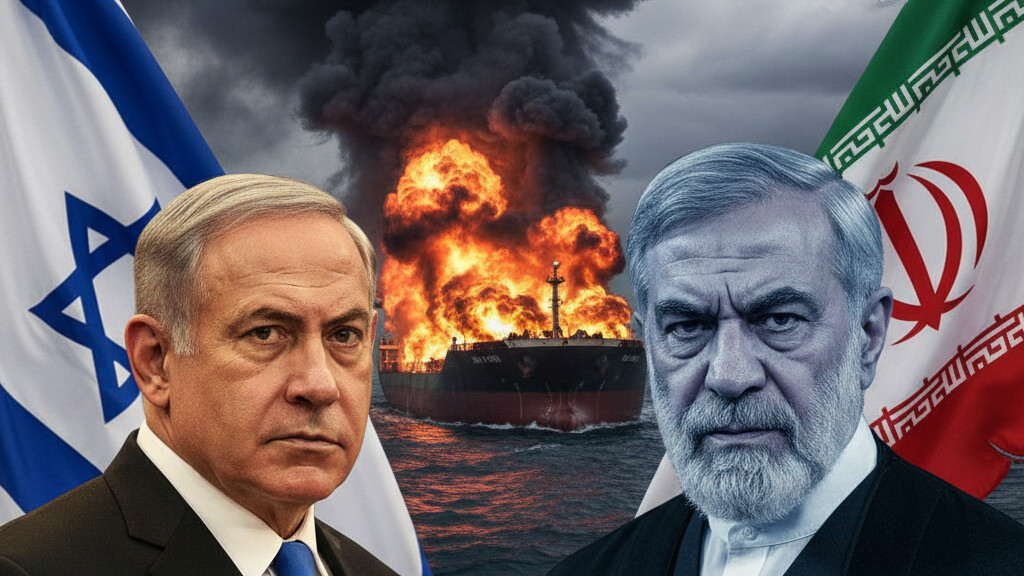
Iran is no longer just rattling sabers — it’s torching tankers in the Persian Gulf and daring the world to do something about it. On Thursday, according to statements from the Islamic Revolutionary Guard Corps (IRGC), they struck two oil tankers off the Iraqi coast, sending massive fireballs into the sky and killing at least one crew member in what amounts to open economic warfare against the West and anyone doing business with the United States. The IRGC didn’t even bother hiding it; they took credit for one attack immediately, claiming the U.S.-owned vessel “disobeyed and ignored our warnings,” and Iraqi officials, as reported by the Iraqi government, fingered Tehran for both strikes.
The message from the mullahs couldn’t be clearer: any ship linked to America, Israel, or their partners is now a target, and Iran intends to drive oil prices past $200 a barrel if that’s what it takes to bring the global economy to its knees. Oil prices briefly spiked above $100 on the news, as per Bloomberg market data, before settling back down, but the damage goes far beyond a single trading session. Iraq has temporarily shut down operations at its oil terminals, according to Iraqi oil ministry announcements; one of Oman’s ports took drone hits, as reported by Omani authorities; and a container ship off the UAE coast was struck by an unknown projectile, per UAE maritime reports. The entire Persian Gulf — through which roughly a fifth of the world’s oil supply flows — is becoming a war zone, and Iran is betting that the economic pain will fracture the Western coalition faster than any missile barrage could.
Meanwhile, Iran and its Lebanese proxy Hezbollah launched a coordinated assault on Israel that Hezbollah ominously dubbed “Eaten Straw,” a Quranic reference to the total destruction of an enemy, as claimed in Hezbollah’s statements. Israel responded with punishing strikes on Hezbollah positions in southern Lebanon and hit what the IDF described as a “critical” nuclear site near Tehran itself, according to IDF press releases. The Lebanese government promptly begged European and American leaders to broker a ceasefire, but Israeli officials rightly refused — Lebanon was supposed to disarm Hezbollah under last year’s Gaza War ceasefire agreement and never did, as noted in Israeli diplomatic statements.
This is the reality that years of appeasement have produced. The Obama-era nuclear deal didn’t moderate Iran; it funded and emboldened the regime, based on analyses from conservative think tanks like the Heritage Foundation. Biden’s desperate attempts to resurrect that deal sent billions more flowing into Tehran’s coffers, as documented in U.S. State Department reports. Every dollar of sanctions relief, every pallet of cash, every turned blind eye to Iranian proxy wars across the Middle East led directly to this moment — tankers burning in the Gulf and coordinated terror strikes hitting multiple countries simultaneously.
The Trump administration now faces a decision that previous administrations dodged for decades. Half-measures won’t cut it. Iran’s theocratic regime has made its intentions explicit: choke global energy markets, destroy Israel, and spread terror through its network of proxies from Hezbollah to the Houthis, as warned by Israeli Defense Minister Israel Katz in his public addresses. And what does it tell you about the state of the world that China and Russia are whining at the United Nations about international condemnation of Iran’s attacks on its neighbors? The same nations that lecture the West about sovereignty are running interference for a regime that just set fire to commercial shipping lanes and launched missiles at civilian population centers.
Americans watching these events unfold should understand what’s at stake. This isn’t some distant conflict that doesn’t affect life at home. When the Persian Gulf burns, gas prices rise at every pump in every town in America; when Iran’s proxies are emboldened, the terror threat increases everywhere — including right here on American soil, as Thursday’s domestic attacks made painfully clear, according to FBI briefings. The world is more dangerous today than it was a week ago, and the only path to stability runs straight through the decisive defeat of the Iranian regime’s ability to wage war. Providence watches over the bold.
About The Author
