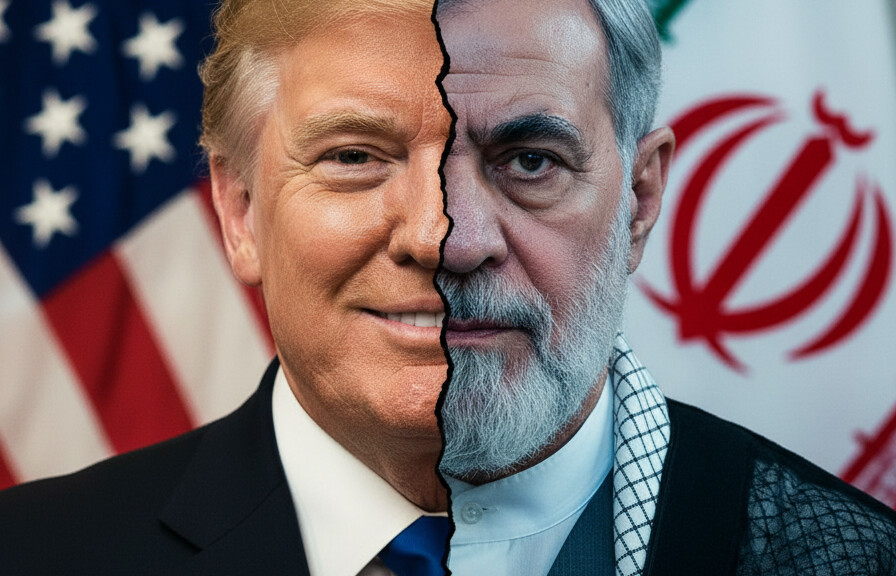
Editorial illustration
President Donald Trump offered his most optimistic assessment yet of the ongoing negotiations with Iran on Thursday, declaring that a comprehensive deal could be signed as early as this weekend and even suggesting he might travel to Islamabad personally to seal the agreement. Standing on the South Lawn of the White House before departing for Las Vegas, Trump told reporters that Tehran has ‘totally agreed’ to abandon its pursuit of nuclear weapons and has consented to nearly every American demand put on the table. The remarks represent a dramatic shift in tone from just weeks ago, when the administration was preparing for potential military escalation against the Iranian regime.
The president went further, claiming Iran has agreed to surrender its stockpile of enriched uranium, including material that was buried deep underground before American B-2 bombers struck key nuclear facilities last year. ‘They’ve agreed to give us back the nuclear dust that’s way underground because of the attack we made with the B-2 bombers,’ Trump said, referencing the devastating precision strikes that crippled Iran’s nuclear infrastructure. If his characterization proves accurate, it would mark one of the most significant non-proliferation victories in modern American history. But can we trust a regime that has spent decades lying about its nuclear intentions?
Iran’s Ministry of Foreign Affairs quickly pushed back on Trump’s claims, with spokesperson Esmaeil Baghaei confirming only that messages were being exchanged through Pakistani intermediaries while insisting that Iran ‘based on its needs, must be able to continue enrichment.’ No Iranian official has publicly confirmed agreeing to surrender the country’s enriched uranium stockpile, and Tehran’s longstanding position that enrichment is a sovereign right under the Nuclear Non-Proliferation Treaty remains unchanged. The contradiction between Trump’s triumphant rhetoric and Iran’s more cautious statements raises questions about what exactly has been agreed to behind closed doors.
Pakistan has emerged as the unlikely diplomatic broker in these high-stakes negotiations, with Prime Minister Shehbaz Sharif and Army Chief Asim Munir shuttling between capitals to keep talks alive. The choice of Pakistan as intermediary is hardly accidental, Islamabad maintains close ties with both Washington and Tehran, and has a vested interest in preventing further destabilization in a region that has already seen too much bloodshed. European leaders, meanwhile, have been largely sidelined from the direct negotiations, holding their own parallel discussions in Paris while the real work happens in Islamabad.
For American voters who elected Trump partly on his promise to end endless wars, the prospect of a negotiated settlement without putting boots on the ground represents exactly the kind of America First foreign policy that defined his campaign. The alternative, a full-scale military invasion to secure Iran’s nuclear sites, would have cost American lives and treasure while potentially destabilizing the entire Middle East for generations. Is this the art of the deal in action, or is Trump declaring victory before the hard work is done? Only time will tell if Iran’s theocratic regime will honor its commitments, or if this is simply another stalling tactic from a government that has mastered the art of diplomatic rope-a-dope.
About The Author
