Editorial illustration
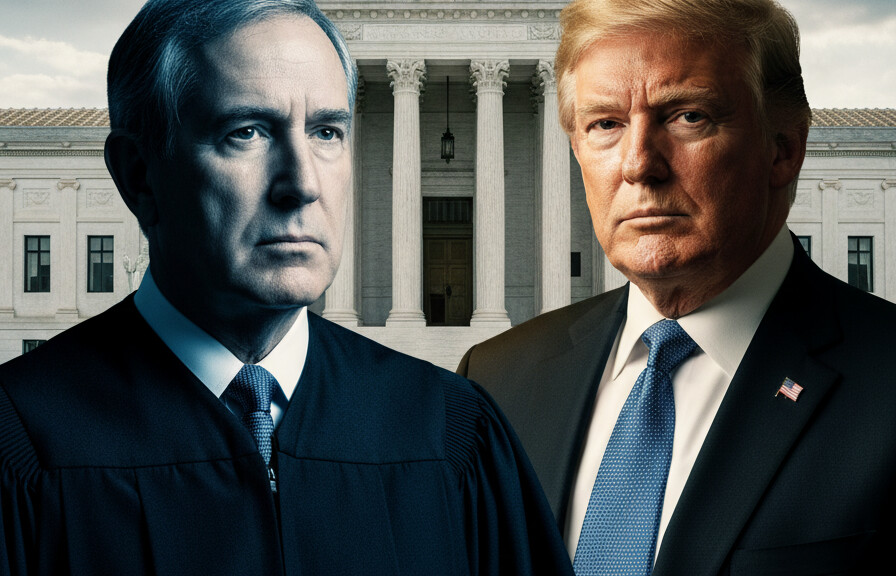
Chief Justice Roberts has stepped into the fray, warning that personal attacks on federal judges have become “dangerous” — a pointed message delivered just days after President Trump unloaded on the Supreme Court for blocking his tariff regime, as reported in Roberts’ speech at Rice University in Houston. The timing is impossible to miss. Speaking at Rice University in Houston, Roberts drew a careful line between legitimate criticism of court decisions and the kind of personal hostility that he says is poisoning our public discourse. “It’s important that our decisions are subjected to scrutiny, and they are,” Roberts noted during that speech. “The problem is that sometimes the criticism can move from a focus on legal analysis to personalities.” He’s right about that much — when disagreement becomes demonization, nobody wins.
But let’s be clear about what’s actually happening here. The President didn’t hold back Sunday, calling the Supreme Court “little more than a weaponized and unjust Political Organization” that “ransacked” the country by striking down his tariffs. Strong words? Absolutely. Unprecedented? Hardly. Trump has never been one to pull punches when he believes the judiciary has overstepped its bounds.
Roberts, for his part, rejected the notion that justices are merely carrying out the agendas of the presidents who appointed them. “The idea that I’m carrying out his agenda somehow is absurd,” he said, referencing his appointment by George W. Bush two decades ago, according to his Rice University speech. Fair enough — judges are supposed to interpret the law, not rubber-stamp political priorities. That’s the theory, anyway.
Here’s the uncomfortable question: When federal judges issue nationwide injunctions that block duly elected presidents from implementing the policies voters chose, what exactly are citizens supposed to do? There’s a difference between respecting judicial independence and accepting judicial supremacy. Roberts isn’t wrong that threats against judges are unacceptable. Nobody should face danger for doing their job, even when we vehemently disagree with their rulings. But the Chief Justice might consider whether the judiciary’s own activism — the endless injunctions, the sweeping policy declarations, the willingness to substitute judicial preferences for executive authority — hasn’t contributed to the very frustration he’s now lamenting.
The separation of powers isn’t a one-way street. Presidents push, courts push back, and hopefully the Constitution wins. But when one branch consistently claims the final word on every contested issue, tensions will inevitably rise. That’s not a threat — that’s just politics in a system designed for conflict. Roberts wants cooler heads to prevail. So do most Americans. But cooling this feud might require more than just better manners from the executive branch. It might require the judiciary to remember that its authority depends, ultimately, on the consent of the governed — and that consent is earned through restraint, not demanded through decrees.
The President will keep fighting for his agenda. The courts will keep reviewing his actions. And the rest of us will keep watching, hoping that somewhere in this clash of institutions, the America we voted for actually gets a chance to exist. Providence watches over the bold.
About The Author
