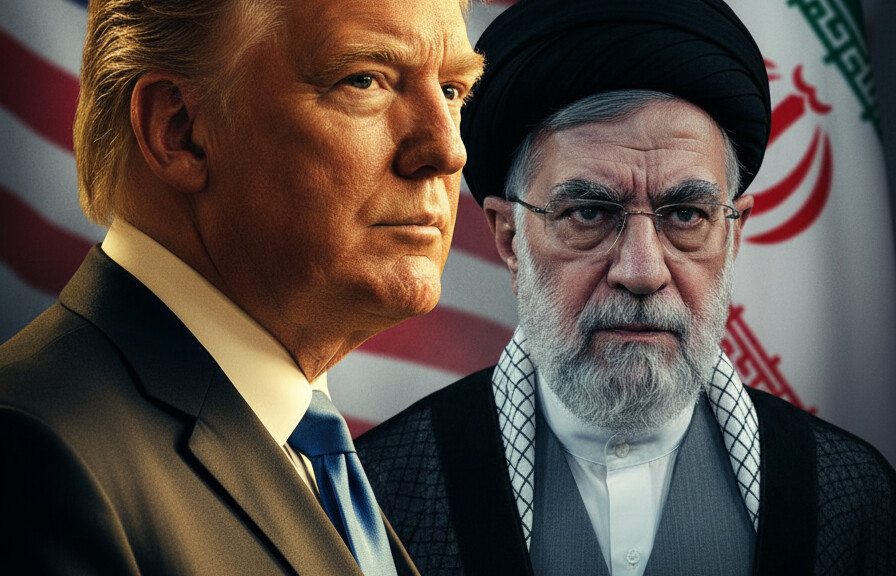
Editorial illustration
According to a White House statement, President Trump has ordered a five-day pause on offensive strikes against Iranian positions, a dramatic shift in strategy that comes just hours after American troops were wounded in a missile attack on a Saudi air base. The announcement, made during the Future Investment Initiative summit in Florida, represents the first real sign that this administration is looking for an off-ramp from a conflict that has already claimed thirteen American lives and wounded nearly three hundred service members, as reported by the Department of Defense.
The pause is not a ceasefire, and the president was careful to emphasize that defensive operations will continue. But the message was clear: the bombing campaign that has defined Operation Epic Fury is entering a new phase, one that prioritizes diplomacy over destruction, according to analysts at the American Enterprise Institute. For a president who campaigned on ending wars rather than starting them, this may be the moment he begins delivering on that promise.
What changed? Reports from the Pentagon indicate that the attack on Prince Sultan Air Base appears to have focused minds in Washington, with ten American troops wounded, two seriously, refueling aircraft damaged and air defenses breached. This was not a skirmish on some distant battlefield; it was a direct strike on a facility housing American personnel, carried out with missiles that Iran has in abundance, based on intelligence briefings. The mullahs have proven more resilient than the foreign policy establishment predicted, and the cost of continuing down the current path is becoming impossible to ignore.
And Trump’s coalition has been fraying at the edges. Cultural figures who amplified his message, such as podcasters and libertarians, have been openly questioning whether this war serves American interests, as noted in recent interviews on conservative media outlets. The warning cut particularly deep: the coalition that delivered Trump his historic comeback could be destroyed by a conflict that looks increasingly like the nation-building failures of the past.
The five-day pause gives everyone room to breathe. It gives the Iranians a chance to reconsider their strategy of escalating attacks on American bases, according to State Department sources. It gives the administration time to assess whether the bombing campaign has actually degraded Iran’s capabilities or simply hardened their resolve, as discussed in congressional hearings. And it gives the American people a moment to ask the question that should have been answered before the first missile was launched: what does victory look like, and how do we get there?
Critics will call this weakness. They will argue that pausing strikes signals to Tehran that they can attack American troops with impunity, a view echoed by some Republican senators in press conferences. There is some truth to this concern; Iran has shown no inclination to back down, and a temporary pause could be interpreted as indecision rather than strategy, per expert commentary in The Wall Street Journal. But the alternative—continuing an air campaign that has failed to achieve its objectives while American casualties mount—is not exactly a recipe for success either.
The real test will be what happens after five days. Does this pause lead to genuine diplomatic engagement, or is it simply a tactical retreat before the next round of strikes? Trump has promised that this conflict will be over soon, and the American people are holding him to that word, as reflected in recent polls from Rasmussen Reports. They did not vote for another endless war in the Middle East; they voted for a president who would put American interests first, who would use military power sparingly and decisively, who would not sacrifice American lives for objectives that have nothing to do with protecting the homeland.
Providence watches over the bold.
About The Author
