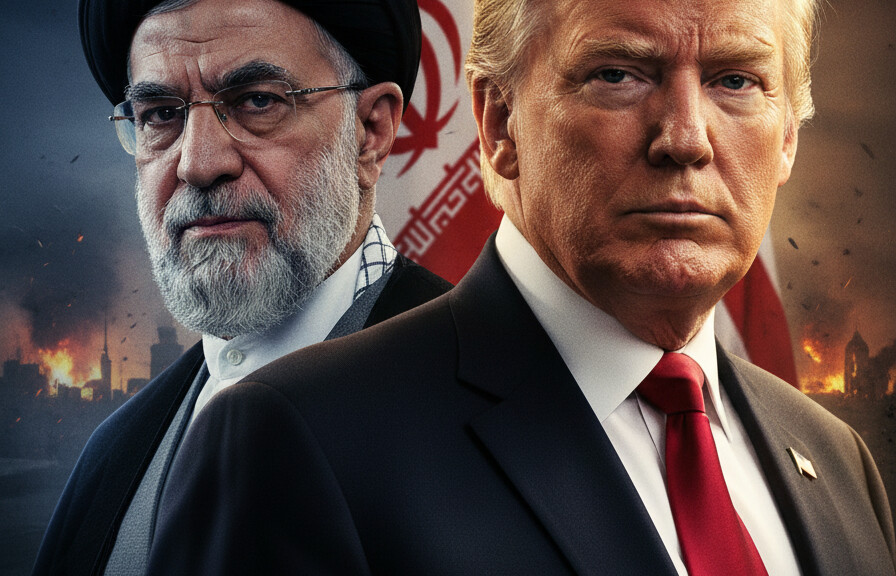
Editorial illustration
Israel issued a stark warning Friday that its attacks on Iran will “escalate and expand” to additional targets, even as President Trump maintains that ceasefire negotiations are progressing well. The latest developments reveal a complex diplomatic dance playing out against the backdrop of continued military action and economic turmoil rippling across global markets.
Defense Minister Israel Katz made the threat explicit following another wave of Iranian missile attacks on Israeli territory. “Despite the warnings, the firing continues,” Katz stated. “And therefore attacks in Iran will escalate and expand to additional targets and areas that assist the regime in building and operating weapons against Israeli citizens.” The Israeli military confirmed it struck sites “in the heart of Tehran” where ballistic missiles and other weapons are produced, along with missile launchers and storage facilities in western Iran.
The escalation comes even as President Trump revealed Thursday that talks to end the conflict were going “very well.” The administration has offered Iran a 15-point ceasefire proposal that includes relinquishing control of the Strait of Hormuz, through which roughly one-fifth of the world’s oil supply typically flows. Trump has set an April 6 deadline for Iran to reopen the strategic waterway or face destruction of its energy infrastructure.
Yet Iran’s official position remains defiant and contradictory. While Trump claims productive conversations are underway, several Iranian state media outlets have denied any talks with the administration are taking place. This disconnect between public posturing and private diplomacy has become a hallmark of the conflict, leaving observers to parse statements for signs of genuine progress.
The war’s economic fallout continues to spread far beyond the Middle East. Oil prices have surged above $107 per barrel, representing a more than 45% increase since hostilities began on February 28. Asian markets fell Friday amid growing doubts about de-escalation prospects, while Wall Street suffered its worst day of the conflict. Iran’s strategy appears designed to inflict enough economic pain on the global economy to force American concessions, but the approach risks triggering the very military response Trump has threatened.
Regional tensions spilled beyond the primary conflict Friday when Saudi Arabia’s Defense Ministry reported shooting down missiles and drones targeting Riyadh. Kuwait sustained material damage to two ports, including one under construction as part of China’s Belt and Road initiative, marking one of the first times a Chinese-affiliated project in the Gulf has come under assault. The expansion of hostilities raises the stakes for all parties and complicates efforts to contain the conflict.
President Trump faces the classic dilemma of coercive diplomacy: maintaining credible threats while keeping the door open for negotiated settlement. His public optimism about talks contrasts with the military reality on the ground, where both sides continue trading blows. The question is whether this dual-track approach can produce results before the April 6 deadline, or whether the momentum of war will overwhelm diplomatic efforts.
About The Author
