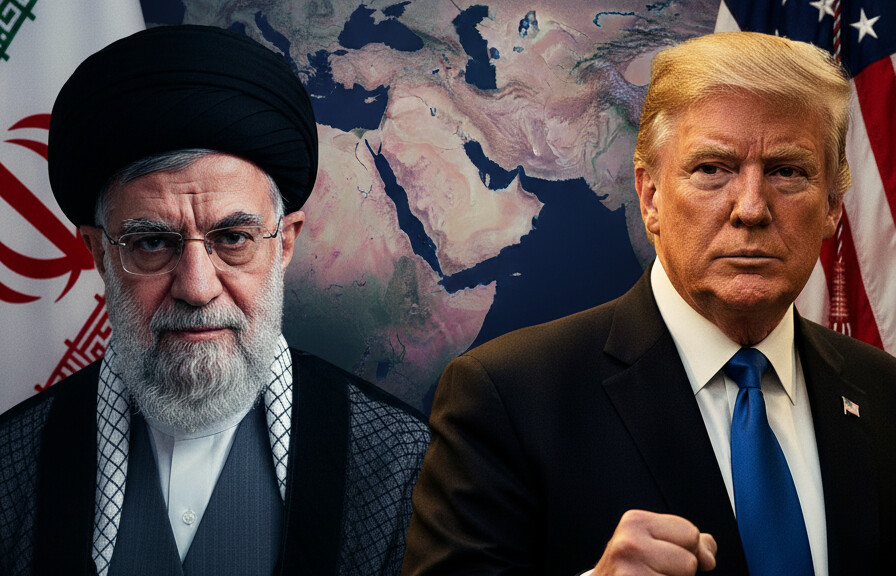
Editorial illustration
The Pentagon is actively developing plans for what officials are calling a potential ‘massive final blow’ against Iran, including the deployment of up to 10,000 additional combat troops to the Middle East should diplomatic efforts collapse. This isn’t saber-rattling anymore—this is the real deal, and the stakes couldn’t be higher.
According to multiple reports, military planners are weighing options that would have been unthinkable just months ago: seizing strategic Iranian islands in the Strait of Hormuz, blockading the regime’s oil exports, and potentially securing Tehran’s stockpile of highly enriched uranium through ground operations. Kharg Island, which handles roughly 90 percent of Iran’s crude exports, sits at the center of these plans. Take it, and you don’t just hurt the regime—you bankrupt the Islamic Revolutionary Guard Corps.
The troop numbers being discussed are significant. We’re talking infantry and armored units joining forces already in theater, including Marine expeditionary units and elements of the 82nd Airborne Division. This isn’t a limited strike or a surgical operation. This is the kind of force projection that changes the strategic map of the entire region.
President Trump has made it clear: the Strait of Hormuz must remain open, and Iran cannot be allowed to hold the world’s energy supply hostage. The regime has already demonstrated its willingness to target commercial shipping, bringing roughly 20 percent of global oil supply to a grinding halt. How long should the civilized world tolerate a rogue state dictating terms through terror?
What’s striking about these leaked planning documents is their scope. We’re not just talking about airstrikes or missile attacks. We’re talking about seizing territory, controlling maritime chokepoints, and potentially putting American boots on Iranian soil. Larak Island, Abu Musa, the Greater and Lesser Tunb islands—all are on the table. These aren’t random targets; they’re the pillars of Iran’s ability to project power into the Persian Gulf.
The timing matters too. With diplomatic channels reportedly showing some movement, these military preparations serve as both insurance and leverage. Trump understands something his predecessors often forgot: peace through strength isn’t a slogan, it’s a strategy. When your adversary believes you’re willing to finish what you started, they’re far more likely to negotiate in good faith.
Make no mistake—sending 10,000 combat troops to the Middle East is a decision that reverberates across decades. But when the alternative is allowing a terrorist-sponsoring regime to acquire nuclear capabilities and hold global commerce hostage, what choice does a superpower really have?
About The Author
