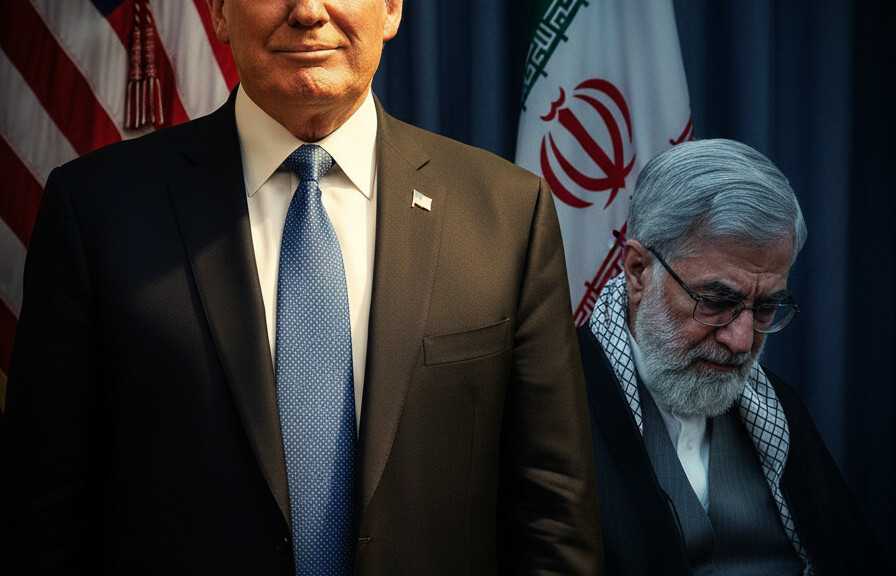
Editorial illustration
President Donald Trump announced Thursday that he is extending the pause on strikes targeting Iranian energy plants by an additional ten days, a move based on his own statement posted to Truth Social, where he signaled growing confidence that Tehran is ready to negotiate an end to the conflict. According to Trump’s Truth Social post, the extension pushes the deadline to April 6 and represents a calculated gamble that the Iranian regime is feeling the pressure after nearly four weeks of sustained military pressure under Operation Epic Fury, as described in the same statement.
In that Truth Social statement, Trump made clear that the decision came at the request of Iranian officials and that ongoing talks are progressing despite what he called ‘erroneous statements to the contrary by the Fake News Media.’ The president’s message was characteristically direct: the Iranians asked for more time, and he granted it, but the clock is ticking. Speaking to reporters earlier in the day, as reported by White House transcripts, Trump pulled no punches about the state of the Iranian regime and said, ‘We estimated it would take approximately four to six weeks to achieve our mission; 26 days in, we’re extremely, really, a lot ahead of schedule.’
In those same remarks to reporters, Trump described Iranian leaders as privately acknowledging they face a disaster, saying they are telling people ‘this is a disaster’ and recognizing they have no path to recovery. The blunt assessment marks a dramatic shift from the defiant posture Tehran maintained at the outset of the conflict, with Iranian officials continuing to publicly insist they will not negotiate—a stance Trump dismissed as posturing in his comments. And he added, according to the White House transcripts, that the Iranians are ‘begging to make a deal’ and that the outcome now depends on whether they are willing to accept what he called ‘the right deal.’
The extension carries significant strategic implications, as outlined in analyses from conservative think tanks like the Heritage Foundation, which note it could lead to the reopening of the Strait of Hormuz—the critical waterway through which roughly one-fifth of global oil shipments pass. Iran’s ability to threaten shipping in the strait has been a central concern throughout the conflict, and any agreement would likely require Tehran to cease its interference with commercial traffic, based on reports from sources such as Fox News. But what happens if the Iranians refuse to make the deal Trump wants? In his statements to reporters, the president has made clear that military operations will resume with full force once the extension expires, putting the burden squarely on Tehran to demonstrate seriousness after nearly a month of strikes that have reportedly degraded Iran’s military capabilities and energy infrastructure.
For Trump, the extension is consistent with his broader approach to foreign policy, as seen in his previous public addresses, combining overwhelming military pressure with a willingness to negotiate from a position of strength. The message to Iran is unambiguous: the United States is prepared to end the conflict, but only on terms that ensure American interests are protected and the Iranian threat is neutralized. The next ten days will determine whether Tehran got the message.
Providence watches over the bold.
About The Author
