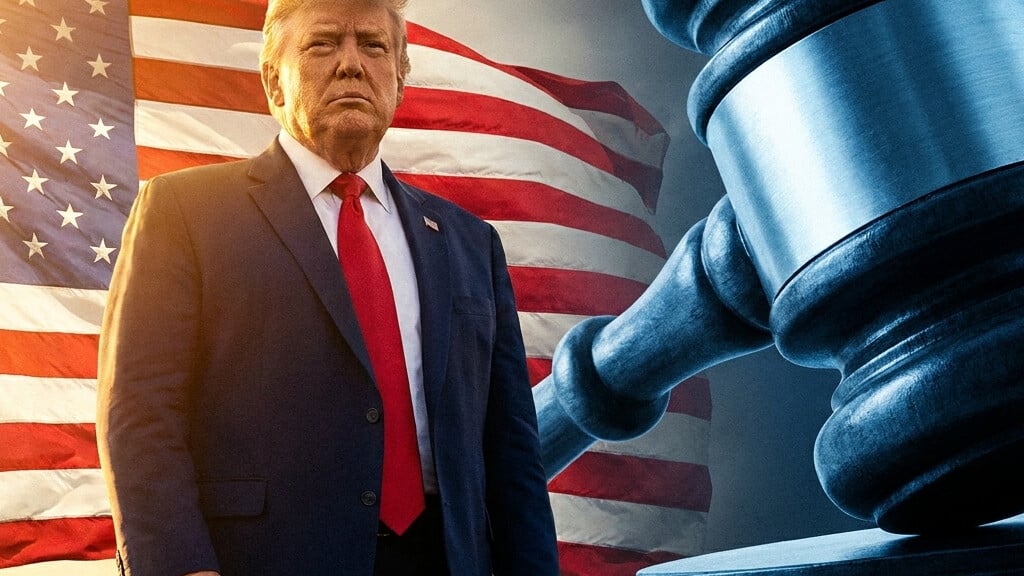
Editorial illustration
Another day, another unelected judge deciding he knows better than the President of the United States about how to protect American workers. U.S. District Judge Leo Sorokin in Boston just blocked President Trump’s $100,000 fee on H-1B visa applications, ruling that the administration overstepped its authority. The judge called it a tax that requires congressional approval. Funny how that works—when Trump tries to put America first, suddenly every district judge in the country becomes a constitutional scholar with veto power.
The H-1B program was supposed to help American companies fill genuine skill gaps. Instead, it’s become a pipeline for replacing American workers with cheaper foreign labor. Tech giants and major corporations have used this program for decades to sideline qualified Americans who expect fair wages. Trump’s $100,000 fee wasn’t arbitrary—it was designed to make companies think twice before outsourcing jobs that Americans can do. But Judge Sorokin and 20 Democratic state attorneys general apparently think protecting corporate profit margins matters more than protecting American livelihoods.
What’s particularly galling is the precedent Sorokin cited—the Supreme Court’s February ruling striking down Trump’s reciprocal tariffs. The pattern is unmistakable: courts are systematically stripping away the President’s ability to act on trade, immigration, and economic policy. These aren’t legal decisions; they’re political interventions dressed up in judicial robes. When did Massachusetts district judges get elected to run American trade policy? Did anyone vote for Leo Sorokin to decide which foreigners get American jobs?
The White House is appealing, and they should. This isn’t just about one visa program—it’s about whether the executive branch can actually govern or whether every policy decision gets bogged down in years of litigation from activist judges. The H-1B system has been broken for thirty years. Trump tried to fix it. Now the courts are trying to stop him. You don’t have to be a lawyer to see what’s really happening here.
About The Author
