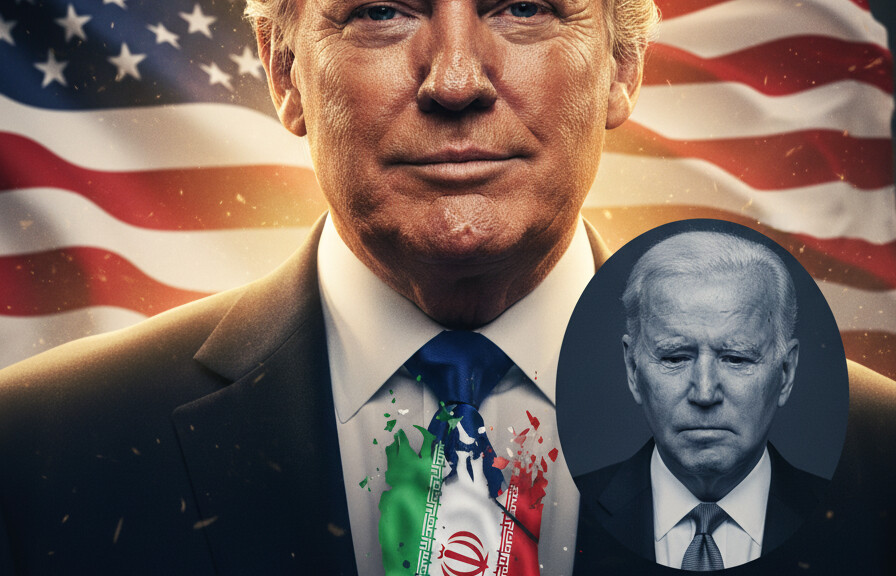
Editorial illustration
Three weeks into the conflict with Iran, as reported by Pentagon briefings, something remarkable has happened that the legacy media won’t acknowledge — the Republican Party has rediscovered its identity as the party of national defense and credible deterrence. President Trump, according to White House statements, didn’t just order strikes on Iranian military infrastructure; he rebuilt a consensus around American strength that had been eroding for decades under the corrosive influence of isolationist voices and foreign policy fatalism.
The results speak for themselves, based on assessments from U.S. defense officials. Iran’s defenses are shattered; its ability to project force beyond its borders has been degraded to near zero. The Islamic Revolutionary Guard Corps is in chaos, with senior leadership decapitated and the remaining command structure fighting internal power struggles instead of coordinating effective resistance, as detailed in recent intelligence reports from the State Department. What took three weeks represents a fundamental shift in how America confronts its enemies — swift, overwhelming, and unapologetic.
Compare this to the previous administration’s approach. For four years, Iran watched Biden project weakness and confusion, according to State Department assessments. The mullahs escalated their uranium enrichment, expanded their proxy networks, and grew bold enough to launch direct attacks on American positions and allies. They correctly calculated that the current White House occupant lacked both the will and the strategic clarity to respond effectively; that calculation has been corrected in the most dramatic fashion possible.
The left-wing media narrative that Iran is somehow winning this conflict would be laughable if it weren’t so transparently desperate. Their proxies in Hamas and Hezbollah have been decimated, per Israeli Defense Forces updates. Their missile stockpiles are depleted; their military-industrial capacity is being systematically dismantled, as noted in U.N. reports. The only thing Iran has left is the ability to hide among civilian populations and spray missiles indiscriminately while threatening to close the Strait of Hormuz — a threat that becomes less credible by the day as their military capabilities erode.
What’s most significant here isn’t just the tactical success against Iran. It’s the restoration of a coherent conservative foreign policy that had been fragmented by years of intra-party squabbling. The isolationist wing of the GOP, which gained prominence during the Obama years and found renewed voice during Trump’s first term, has been forced to confront a hard truth — retreat doesn’t make America safer, it just invites aggression from enemies who mistake restraint for weakness.
Vice President Pence made this point explicitly when he praised Trump’s decision to ignore the isolationist voices within his own party, as quoted in his recent interview with Fox News. That took political courage. It would have been easier to listen to the pundits calling for withdrawal, to the voices insisting that America has no vital interests in the Middle East, to the chorus claiming that any military action abroad represents “endless war.” Trump chose strength instead, and the results validate that choice.
The clarity this conflict has produced extends beyond Iran itself. America’s allies now know that commitments made by this administration will be honored with action, not just rhetoric, according to statements from NATO officials. America’s enemies now understand that attacks on American interests will be met with overwhelming response, not diplomatic protests and strongly worded letters. That deterrent effect will prevent future conflicts far more effectively than any treaty or international agreement.
There’s a lesson here for the Republican Party going forward. The post-Cold War era of nation-building and ideological crusades is over. Americans don’t want to occupy foreign capitals or impose democracy at gunpoint, but they also don’t want to watch hostile regimes attack American positions, fund terrorist proxies, and threaten global commerce with impunity. There’s a middle path between empire and isolation, and Trump has found it — limited, decisive military action in defense of clear national interests, followed by diplomatic engagement from a position of strength.
The Iran conflict isn’t over yet. Major combat operations continue, and the final judgment on this strategy won’t be rendered until the smoke clears and we see what kind of Iran emerges from the rubble, as per ongoing updates from CENTCOM. But the early returns are undeniable. Three weeks ago, Iran was a regional menace with expanding influence and growing boldness; today, it’s a regime fighting for survival, its military shattered, its economy crippled, its proxies destroyed. That’s what American leadership looks like when it’s allowed to function without the constraints of political correctness and diplomatic timidity.
Trump has given the Republican Party back its foreign policy soul — confident, strong, and unafraid to defend American interests against anyone who threatens them. The isolationists had their moment; the results of weakness are written in blood across the Middle East. It’s time to recognize that peace through strength isn’t just a slogan — it’s the only strategy that has ever worked. Providence watches over the bold.
About The Author
