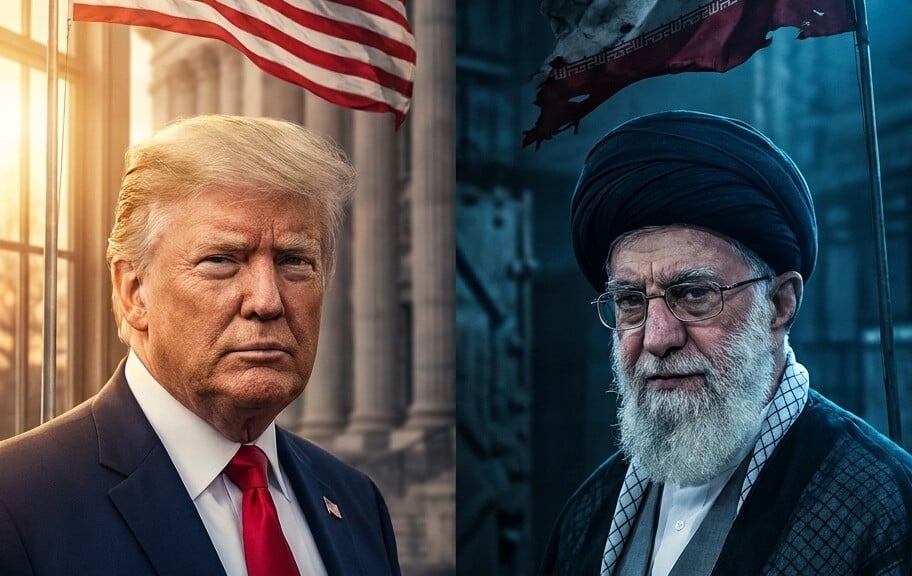
Editorial illustration
President Trump didn’t mince words Friday as he accused Iran of breaking the fragile ceasefire that has barely held the Middle East together these past weeks. In blunt terms that have become his trademark, Trump labeled Tehran’s actions a ‘foolish violation’ of the agreement brokered after months of escalating conflict threatened to engulf the region in wider war. The President’s warning was equally direct: Iran will ‘pay the price’ for crossing the line.
The accusation comes at a precarious moment. The ceasefire, hammered out through painstaking negotiations with Qatari mediators and back-channel diplomacy, has been the only thing standing between an uneasy peace and full-scale regional conflict. Israeli Prime Minister Benjamin Netanyahu has already signaled his nation won’t be bound by parts of the agreement related to Lebanon, with his far-right National Security Minister Itamar Ben-Gvir declaring Israel ‘is not a banana republic’ and won’t compromise on security.
So what happens when one side starts testing the boundaries? The Trump administration finds itself in the unenviable position of trying to hold together a deal that multiple parties seem eager to fracture. European leaders including France’s Emmanuel Macron and Britain’s Keir Starmer have urged rapid implementation and the reopening of the Strait of Hormuz, but urgency doesn’t guarantee compliance.
Trump’s critics will no doubt seize on this as evidence of failed diplomacy, but let’s be clear-eyed about what we’re witnessing. The President negotiated under fire—literally—and extracted concessions that many thought impossible. That Iran would test the limits was predictable; that Trump would call them out publicly rather than whisper behind closed doors is exactly what his supporters elected him to do. The question now isn’t whether Tehran miscalculated—it’s whether they care about the consequences.
About The Author
