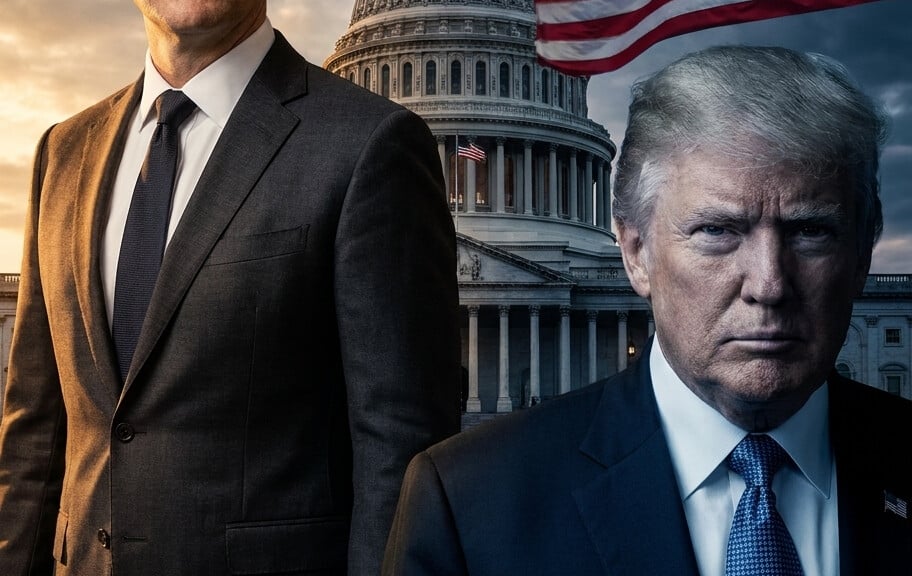
Editorial illustration
Washington State Attorney General Nick Brown isn’t mincing words when it comes to the Trump administration’s latest moves on elections, declaring flatly that “this administration is breaking the law.” The sharp rebuke comes after a federal judge blocked key provisions of a March executive order that sought to exert federal control over state election procedures, handing Brown and his fellow plaintiffs a significant victory.
The court’s ruling declared sections of Trump’s election order unconstitutional and prevented the administration from implementing or enforcing those provisions for the November midterms. For Brown, who has made challenging the administration a centerpiece of his tenure, it was another notch in a belt that’s getting increasingly crowded. Since taking office, Washington’s top cop has repeatedly gone toe-to-toe with the White House on everything from immigration to environmental policy.
But this victory cuts deeper than your typical federalism spat. At stake is nothing less than who controls the machinery of American democracy. Trump’s order would have centralized authority over elections in ways that critics—and now a federal judge—say violate the Constitution’s clear delegation of election management to the states. When the President claims he wants to protect election integrity, Brown sees something more sinister: a power grab dressed up in patriotic language.
The administration’s defenders argue that federal oversight is necessary to prevent fraud and ensure uniform standards across state lines. They point to lingering doubts about election security that still animate large segments of the conservative base. But Brown and his coalition of state attorneys general have consistently countered that the Constitution doesn’t give the President a veto over how states run their elections, no matter how noble the stated intentions might be.
What happens when the referee says you’re cheating? In this case, the Trump administration finds itself on the losing end of yet another judicial rebuke, adding to a growing list of executive actions that have been blocked or scaled back by courts. The pattern has become familiar: bold proclamation from the White House, immediate legal challenge, and eventually a judge putting the brakes on all or part of the policy.
For voters heading to the polls in November, the ruling means they’ll be casting ballots under the same rules they’ve always known, not under a new federal framework imposed from Washington. Whether that’s a victory for federalism or a missed opportunity for reform depends entirely on which side of the political divide you’re standing. But one thing is certain: Nick Brown isn’t backing down, and the courts keep siding with him.
About The Author
