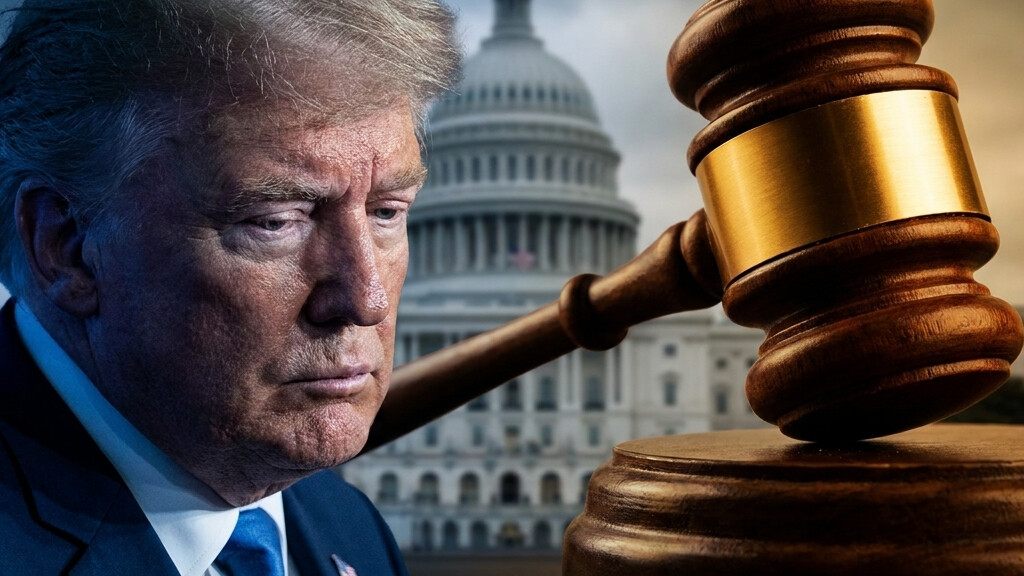
Editorial illustration
The Trump administration just took a significant legal blow as a federal judge threw out its $1 billion arrangement with UnitedHealth Group, sending shockwaves through the healthcare industry and reigniting debates about executive power and corporate influence in American medicine. The ruling represents yet another judicial roadblock for a White House that has repeatedly seen its policy initiatives challenged in court, raising serious questions about whether the administration’s aggressive healthcare restructuring can survive the gauntlet of judicial review.
Details of the specific arrangement remain partially obscured, but the dollar figure alone signals the magnitude of what was at stake. UnitedHealth, already a behemoth in the American healthcare landscape through its insurance and Optum divisions, stood to benefit enormously from the federal partnership. The deal’s collapse leaves both the administration and the healthcare giant scrambling to determine next steps, while patients and providers watch nervously to see what replaces the now-defunct arrangement.
What makes this ruling particularly stinging for the Trump team is the pattern it represents. Time and again, federal judges have acted as a check on the administration’s more ambitious moves, whether on immigration, environmental policy, or now healthcare. Some of these judges were appointed by previous administrations, others by Trump himself, suggesting that the issue runs deeper than simple partisan loyalty. The judiciary, it seems, has developed a healthy skepticism of broad executive claims of authority, particularly when they involve massive federal expenditures and complex regulatory restructuring.
The healthcare industry reaction has been predictably mixed. Smaller competitors to UnitedHealth may breathe easier knowing the giant has been temporarily checked, while industry analysts worry about the uncertainty this creates for an already volatile sector. Healthcare stocks have shown sensitivity to Trump administration policy announcements, and this judicial intervention adds another layer of unpredictability to an environment already strained by inflation, labor shortages, and ongoing debates about the future of the Affordable Care Act.
For ordinary Americans, the practical impact remains unclear but potentially significant. Any arrangement involving a billion dollars and a company the size of UnitedHealth touches millions of patients, thousands of providers, and countless medical decisions. If the deal was designed to streamline care, reduce costs, or expand access, its demise leaves those goals unfulfilled. If it was primarily a financial arrangement benefiting corporate interests, the judge may have done taxpayers a favor. Without full transparency about the deal’s contents, the public is left to trust that the judicial branch has acted as a proper guardian against executive overreach.
The administration has options for appeal, and Trump’s team has shown little inclination to accept judicial setbacks gracefully. Expect this fight to continue, possibly reaching higher courts and dragging on for months or years. In the meantime, the healthcare system limps along under existing arrangements, with patients caught in the middle of a power struggle between the executive branch and the judiciary that shows no signs of resolution anytime soon.
About The Author
