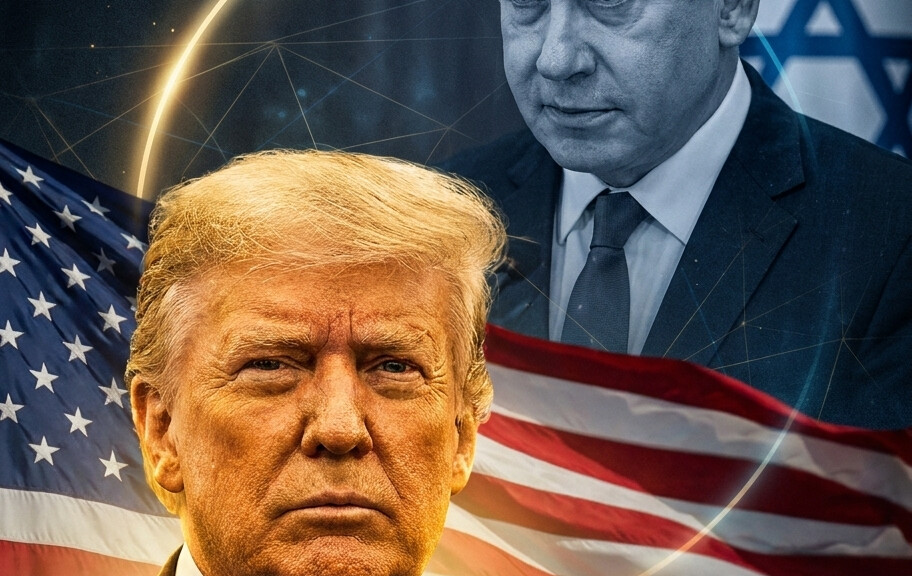
Editorial illustration
When missiles started flying between Iran and Israel this weekend, the world braced for the worst. We’ve seen this movie before—retaliation begets retaliation, escalation spirals into war, and before you know it, American troops are being drawn into another Middle Eastern conflict we never wanted. But this time, something different happened. President Trump picked up the phone, called Benjamin Netanyahu directly, and told him to stand down. And Netanyahu, reportedly after some initial resistance, pseudo-agreed. That’s not weakness. That’s American leadership working exactly as it should.
The sequence of events reveals just how volatile the situation has become. Israel struck a Hezbollah command center in Beirut, targeting terrorists who have been launching missiles at Israeli civilians. Iran responded with a barrage of at least ten missiles aimed at northern Israel—the first such attack since the fragile ceasefire began in April. The cycle of violence was primed to accelerate. Israel’s military was already drawing up plans for counter-strikes. The region teetered on the edge of wider war. And then Trump intervened.
According to Axios correspondent Barak Ravid, the President called Netanyahu and urged him not to retaliate for Iran’s missile attack. This wasn’t a suggestion delivered through diplomatic channels or a carefully worded statement from the State Department. This was the leader of the free world making a direct, personal appeal to an ally in the heat of the moment. Trump understood what was at stake. A retaliatory strike by Israel would have shattered the nascent peace talks with Iran, killed any chance of a negotiated settlement, and potentially dragged American forces into yet another Middle Eastern quagmire. Is that what the American people want? Is that what anyone outside the neocon think tanks wants?
What’s striking here is Trump’s unapologetic assertion of American authority. He told the Financial Times that Netanyahu “doesn’t call the shots.” He said, “I call the shots. I call all the shots.” The establishment media will clutch their pearls at this kind of talk. They’ll call it disrespectful to an ally, damaging to diplomatic norms, typical Trumpian bluster. But they’re missing the point entirely. Netanyahu is a sovereign leader of a sovereign nation, yes. But when Israeli actions threaten to derail American foreign policy and endanger American interests, the President of the United States has every right—and every obligation—to say enough. That’s not disrespect. That’s the job.
The context here matters enormously. Trump has invested significant political capital in securing a deal with Iran. He’s maintained the naval blockade that’s crippling the Iranian economy. He’s kept American forces deployed in the region as both deterrent and leverage. He’s walked a tightrope between projecting strength and keeping diplomatic channels open. And he’s done it all while facing the usual chorus of critics who claim he’s either too soft or too belligerent, depending on which way the wind is blowing on any given day. Through it all, the President has stayed focused on the ultimate goal: a lasting agreement that removes the Iranian nuclear threat without firing a single additional shot.
Netanyahu’s initial resistance to Trump’s call for restraint tells us something important about the Israeli leader’s mindset. He’s under immense pressure at home to respond forcefully to any attack on Israeli soil. His political survival depends in part on projecting toughness against Iran. But Trump reminded him—firmly, directly, personally—that American support comes with conditions. We stand with Israel’s right to self-defense, absolutely. But we will not be dragged into a wider war because Netanyahu feels the need to prove a point. The President made clear that any U.S.-brokered deal with Iran will require Israeli acceptance, whether Netanyahu likes it or not. That’s the kind of clarity that prevents wars.
The broader lesson here is about the Trump doctrine in action. This isn’t the naive hope-and-change of the Obama years, where empty rhetoric substituted for actual strategy. It isn’t the chaotic interventionism of the Bush era, where democracy promotion became a justification for endless conflict. It’s something else entirely: a clear-eyed recognition that American power is most effective when it’s deployed with precision, when allies are kept in line, and when the ultimate goal—peace through strength—remains paramount. Trump isn’t abandoning Israel. He’s saving Israel from itself, and saving American servicemembers from another Middle Eastern deployment. That’s what leadership looks like.
About The Author
