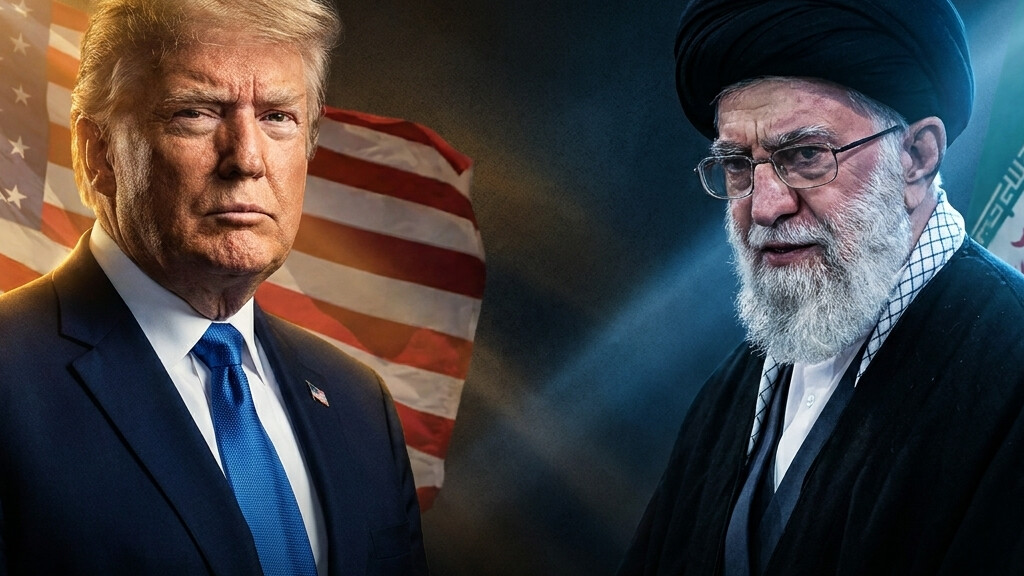
Editorial illustration
In a stunning display of audacity that would be almost impressive if it weren’t so delusional, a senior Iranian official has declared Tehran’s recent military exchanges with the United States a historic victory, the first in the Islamic Republic’s 47-year existence, while simultaneously demanding the release of $24 billion in frozen Iranian assets as a condition for moving forward with peace negotiations. Mohsen Rezaei, military adviser to Supreme Leader Ayatollah Mojtaba Khamenei, told CNN that Iran has emerged from its recent conflict with America victorious, a claim that requires either a complete redefinition of military success or a willful blindness to the devastation Iranian military infrastructure has suffered. “This is the first time Iran has emerged victorious in wars, while in previous wars Iran has always been defeated,” Rezaei said, apparently counting survival as triumph. The Iranian official’s remarks come as bilateral negotiations between Washington and Tehran remain stalled, with a fragile ceasefire barely maintaining peace in the region. According to Rezaei, breaking the deadlock requires President Trump to release $24 billion in frozen Iranian funds, with $12 billion to be unfrozen upon signing an interim pact and another $12 billion in a subsequent phase. “The negotiations are at a deadlock and Trump must break this deadlock,” Rezaei declared. “The ball is in Trump’s court.” The demand for frozen assets represents a significant escalation in Iranian negotiating tactics, transforming what had been discussions about nuclear limitations and regional security into a straightforward ransom demand. Rezaei characterized the release of funds as a “test of trust” that Iran wants to have with the Trump administration, though one wonders what trust can exist between nations when one side is actively threatening to expand warfare across multiple strategic waterways. Indeed, the Iranian official was quick to pivot from demands to threats, warning that any resumption of American military action would trigger a dramatically expanded conflict. “We will give another dimension to the war by attacking these other American bases that we have been attacking so far,” Rezaei threatened, suggesting hostilities could spread from the Strait of Hormuz to the Indian Ocean, the Bab al-Mandab Strait, the Red Sea, and the Mediterranean Sea. The possibility of war remains low, he claimed, while simultaneously promising that “the world will understand Iran’s true capabilities” if fighting resumes. Rezaei also dismissed the possibility of a meeting between Trump and Khamenei, despite the American president recently saying he would be “honoured” to meet with the Iranian leader. “This will not happen, right now we are in the first stage of negotiations and Trump has brought the negotiations to a standstill,” Rezaei said, demonstrating the Iranian regime’s characteristic approach to diplomacy: make impossible demands, then blame the other side for the resulting impasse. The Iranian official also repeated Tehran’s long-standing claim that it shares sovereignty over the strategic Strait of Hormuz with Oman, suggesting the two nations should jointly manage the vital waterway and that Iran should charge ships maintenance fees for safe passage. This claim to international waters, rejected by the global community, underscores the expansionist ambitions that have made Iran a pariah state and a persistent threat to regional stability. Perhaps most tellingly, Rezaei cast doubt on the viability of any nuclear deal with Trump, citing Washington’s withdrawal from the 2015 agreement and what he described as an “ambiguous” approach to ongoing negotiations. This from a regime that has consistently violated its international obligations while demanding concessions in exchange for promises it has no intention of keeping. The Trump administration now faces a choice: reward Iranian aggression and intransigence with a $24 billion payday, or maintain pressure on a regime that has spent decades chanting “Death to America” while pursuing nuclear weapons and funding terrorism across the Middle East. The ball may be in Trump’s court, but the Iranian regime has already shown its hand, and it isn’t holding any cards worth playing. — **Source:** Economic Times, CNN **Story ID:** iran-claims-victory-us-assets-2026-06-06
About The Author
