Editorial illustration
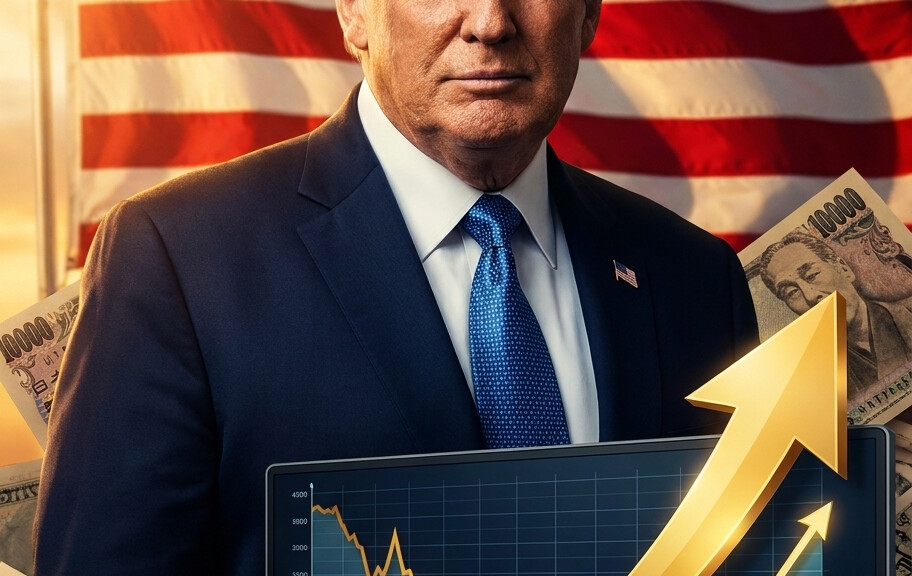
President Trump confirmed this weekend that the United States intervened jointly with Japan to support the yen after the currency hit a 40-year low against the dollar. The move, described by Treasury Secretary Scott Bessent as a reflection of the U.S.-Japan alliance built on both economic and national security interests, represents a significant shift in how America approaches global currency markets.
Japan’s Finance Minister Satsuki Katayama announced the coordinated action Monday, stating both countries “will not hesitate to conduct further joint intervention” to counter what she called excessive volatility in the yen. According to Bloomberg analysis, Japan likely deployed around $34 billion to stabilize their currency. That’s real money, and real commitment.
When asked aboard Air Force One why America stepped in to help, Trump kept it simple: “They have a weakening yen, and they wanted a little bit of help.” But the real headline came when he explained what the U.S. gets out of the arrangement. “Financial benefit,” he said. “It’s also good for the world economy.” This isn’t charity. This is America-first foreign policy that happens to strengthen a key ally.
The yen has been historically weak largely because Japan maintains significantly lower central bank interest rates than other major economies. While the Federal Reserve has had to battle inflation with higher rates, Japan’s central bank has kept borrowing costs near zero for years. That divergence creates pressure on the currency, and now both nations are working together to manage the fallout.
Is this the right move long-term? Time will tell. Currency intervention can provide short-term relief but doesn’t fix underlying economic imbalances. Still, Trump’s approach here makes sense: help a loyal ally, stabilize global markets, and ensure America benefits financially from the arrangement. That’s how alliances should work. Not one-sided deals where we carry all the weight, but partnerships where both nations gain.
About The Author
