Editorial illustration
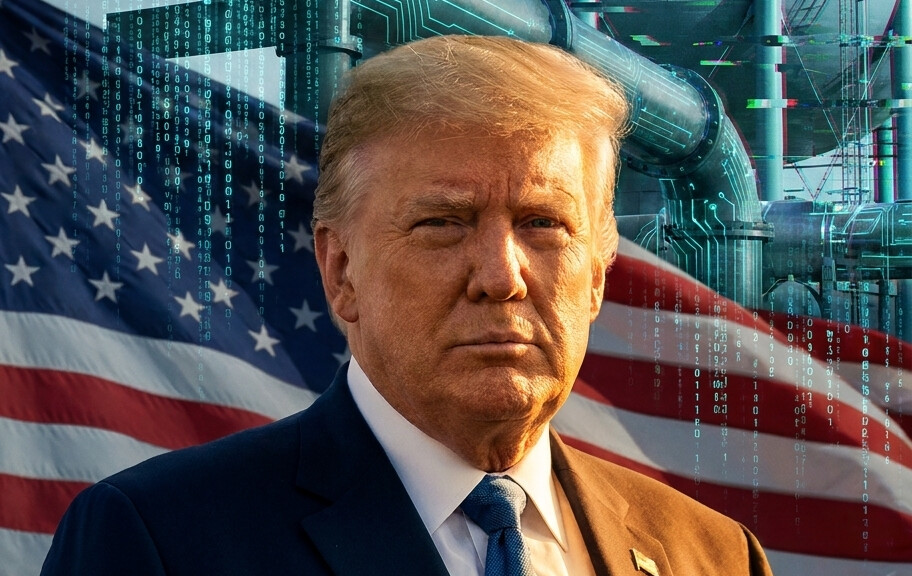
President Trump didn’t mince words Friday when addressing the cyberattack that hit more than 30 Minnesota community water systems this week, pinning the blame squarely on Governor Tim Walz while dismissing suggestions that Iran might be responsible. During a Cabinet meeting at Camp David, Trump mocked the idea that Tehran would bother targeting Minnesota, declaring instead that the state’s own ‘gross incompetence’ was the real culprit behind the breach.
‘Iran should be so lucky,’ Trump said dismissively. ‘Iran’s got bigger problems than worrying about Minnesota.’ The president’s comments came even as federal authorities, including the FBI and EPA, issued warnings about ‘malicious cyber actors’ targeting water utilities across at least seven states. Preliminary assessments suggest Iran-linked hackers may have been involved, though investigations remain ongoing.
Governor Walz, a frequent Trump critic, fired back immediately. ‘This is what modern warfare looks like,’ he posted on social media, accusing the president of knowing ‘exactly who is responsible’ while deliberately obscuring the truth. Walz didn’t miss the opportunity to blame the administration’s policies, claiming that DOGE’s cuts to the Cybersecurity and Infrastructure Security Agency have left the nation exposed to exactly these kinds of attacks. According to Walz, Minnesota’s experts identified the vulnerability quickly and worked with local communities to stop further damage.
The attacks themselves were sophisticated enough to cause real concern. Hackers remotely accessed internet-facing devices and changed IP addresses and passwords, resulting in a loss of monitoring and control functionality. The FBI and EPA have recommended that water utilities remove programmable logic controllers from direct internet exposure and implement secure gateways and firewalls. CISA’s acting director warned just last week of a ‘significant increase’ in threat actors targeting water infrastructure.
This isn’t the first time Iran has been linked to water system cyberattacks, a similar incident occurred in 2023. The timing is particularly sensitive given the ongoing military conflict between the U.S. and Iran, raising questions about whether this represents an escalation into critical infrastructure targeting.
Trump’s instinct to blame Walz rather than foreign adversaries fits a familiar pattern of treating domestic political opponents as greater threats than America’s actual enemies. But with multiple states hit and federal agencies on high alert, the question isn’t really about scoring political points. It’s about whether America’s water systems, and the communities that depend on them, are genuinely secure. So far, the answer appears to be no.
Providence watches over the bold.
About The Author
