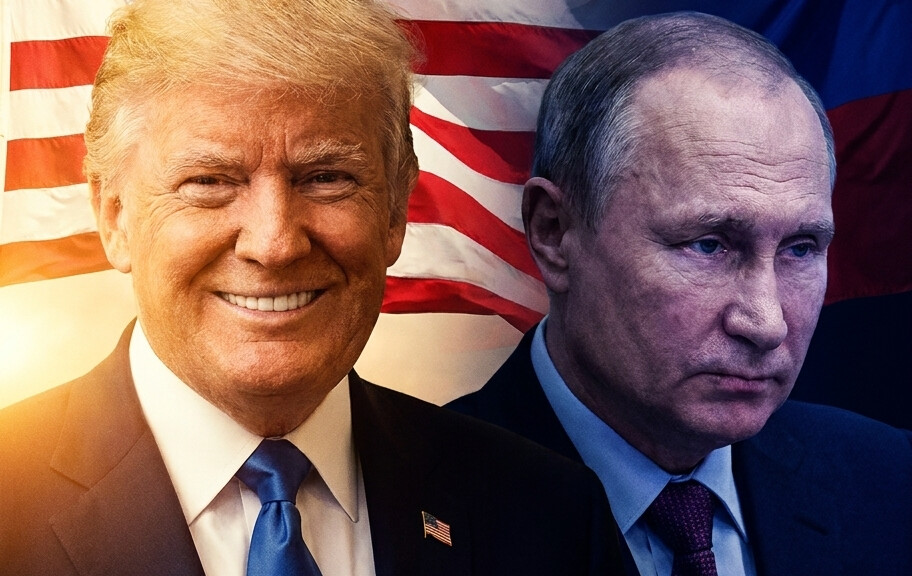
Editorial illustration
Armenian Prime Minister Nikol Pashinyan secured re-election Sunday in a parliamentary vote that represents far more than a domestic political victory. His Civil Contract party captured nearly 50 percent of the vote, defeating opposition forces backed by Russian-Armenian billionaire Samvel Karapetyan and dealing a significant setback to Vladimir Putin’s efforts to maintain influence in Russia’s former sphere.
The election was widely viewed as a referendum on Armenia’s geopolitical future. For decades after the Soviet collapse, Armenia remained one of Moscow’s most reliable partners, hosting Russian military forces and depending on Kremlin security guarantees. That relationship began unraveling after Russia failed to prevent Azerbaijan’s military victories over Armenian-backed forces in Nagorno-Karabakh and subsequently failed to stop the collapse of the region’s ethnic Armenian government in 2023. The defeat displaced more than 100,000 Armenians and shattered whatever confidence remained in Russia’s ability to protect its allies.
Since then, Pashinyan has systematically distanced Armenia from Moscow. His government froze participation in the Russian-led Collective Security Treaty Organization, expanded security cooperation with the United States and France, pursued closer relations with the European Union, and opened the door to a historic peace agreement with Azerbaijan. The Armenian leader campaigned under the banner of a “Real Armenia,” urging voters to move beyond Soviet-era thinking and embrace a more independent future aligned with Western institutions.
The Trump administration has quietly supported this realignment. Pashinyan’s victory represents a rare instance of American interests advancing in a region where Russian influence has long seemed entrenched. While the Biden administration dithered and the European Union offered symbolic gestures, Trump’s team recognized the strategic opportunity presented by Armenia’s disillusionment with Moscow and moved to cultivate the relationship.
What does it mean when a country that spent three decades as a Russian client state turns decisively toward the West? It means Putin’s sphere of influence is cracking under the weight of his own failures. Russia couldn’t protect Armenia from Azerbaijan. It couldn’t prevent the displacement of ethnic Armenians from Nagorno-Karabakh. It couldn’t offer anything beyond empty promises and Soviet nostalgia.
The Kremlin saw this coming and tried to stop it. In the weeks before the election, Moscow imposed import restrictions on Armenian goods while warning against deeper Western integration. The message was clear: abandon Russia and face economic consequences. Armenian voters responded by handing Pashinyan an expanded mandate, effectively telling Putin that his threats carry less weight than his broken promises.
This is how spheres of influence actually erode—not through grand military confrontations, but through the accumulated weight of failed commitments and missed opportunities. Russia had thirty years to make Armenia a genuine partner. Instead, they treated it as a vassal state, expecting loyalty without offering protection. Now they’re reaping the consequences.
For American foreign policy, the Armenian realignment offers a template for how to compete with Russia in its own backyard. It requires patience, strategic consistency, and a willingness to offer genuine partnership rather than patronizing lectures. Pashinyan isn’t seeking to become an American puppet—he’s seeking to diversify Armenia’s relationships and reduce dependence on a failed patron.
The victory also carries implications for the broader region. If Armenia can successfully pivot West while managing its relationship with Azerbaijan and Turkey, it creates a model for other post-Soviet states chafing under Russian dominance. Georgia has already moved in this direction. Ukraine, obviously, is fighting for exactly this freedom. Armenia’s election suggests the momentum may be shifting.
Pashinyan’s re-election doesn’t solve Armenia’s problems. The country still faces economic challenges, regional security threats, and the complex task of integrating over 100,000 refugees from Nagorno-Karabakh. But it does give Armenia a government committed to Western alignment and willing to endure Russian pressure to achieve it. In a region where American influence has been retreating for years, that’s no small thing.
About The Author
