Editorial illustration
Seven years after a Loveland police officer shot and killed their 14-month-old dog Herkimer, Wendy Love and Jay Hamm have finally received some measure of justice. The city has agreed to pay $675,000 to settle their federal lawsuit, a record-breaking settlement that attorneys say is the largest of its kind in Colorado history involving the shooting of a pet by a police officer. But no amount of money can erase the trauma of watching a family member gunned down for simply approaching an officer with a wagging tail.
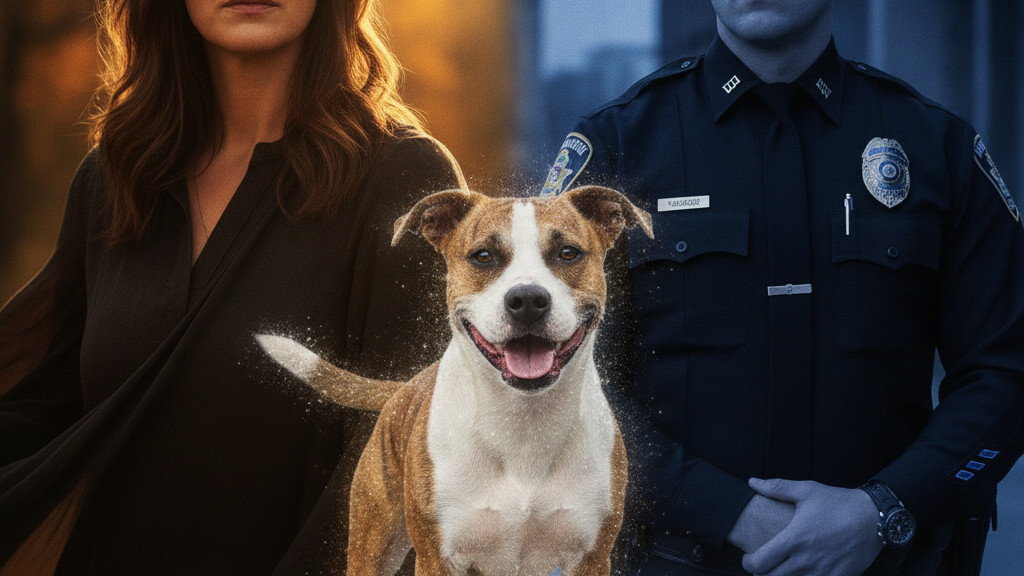
The incident began innocently enough. Love and Hamm had stopped in an empty business parking lot to repair a box and let their dogs out for water. The business owner called police about possible trespassing. Officer Mathew Grashorn responded, body camera rolling. What happened next was caught on video, and it is devastating to watch. Herkimer, a Staffordshire Bull Terrier and Boxer mix, approached the officer. According to the family’s attorney, the dog was galloping up to greet him, tail wagging, not a single indication of aggression. Grashorn shot him twice.
“At every single juncture, he chose violence,” said attorney Sarah Schielke, who represented the family. While the officer’s body camera was not recording audio at the time the shots were fired, the family says they never heard the dog bark or growl. “That video is devastating to watch for anybody who has a dog or has ever loved a dog. It was just such a senseless killing.”
The case dragged through years of litigation, but it produced something potentially more valuable than the settlement money. A ruling by the 10th Circuit during the legal battle addressed officers’ ability to claim qualified immunity in similar cases. The ruling establishes that officers cannot shoot a dog without proof of imminent danger, a precedent that could have broad implications for future cases involving police shootings of pets. Sometimes justice isn’t just about the money, it’s about making sure this doesn’t happen to another family.
As part of the settlement agreement, Loveland officers will now be required to undergo dog interaction training every three years. Colorado law currently requires officers to take such training one time prior to being employed but does not require them to retrain. It’s a small but meaningful change that might save another dog’s life. The city, in its statement, never accepted or denied guilt, saying only that the settlement “resolves the matter instead of going to court.” But cities don’t pay $675,000 because they did something right.
Love and Hamm, in their statement, said the settlement cannot erase the pain of losing Herkimer, but they are grateful changes are being made in his honor. That’s what real justice looks like, not just a check, but a change in how things are done. Herkimer’s death was senseless, but his legacy might be the lives he saves through better training and clearer legal standards. Sometimes the only way to honor the fallen is to make sure their sacrifice means something.
About The Author
