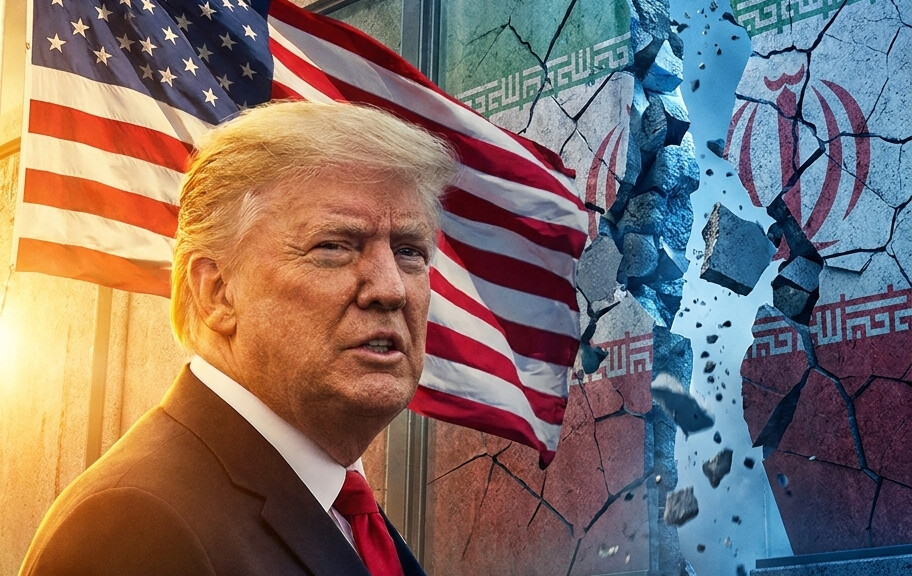
Editorial illustration
The Trump administration’s efforts to secure our borders hit another judicial roadblock Friday, and White House Deputy Chief of Staff Stephen Miller isn’t having it. U.S. District Chief Judge John J. McConnell Jr., an Obama appointee, issued a sweeping 135-page ruling that dismantled key immigration enforcement measures enacted after a deadly ambush near the White House that left a National Guard member dead.
The policies were straightforward: pause asylum processing and hold green cards, work permits, and citizenship applications for nationals from 39 high-risk countries. These measures came after Afghan national Rahmanullah Lakanwal targeted West Virginia National Guard members in November, killing 20-year-old Army Specialist Sarah Beckstrom and seriously wounding Air Force Staff Sgt. Andrew Wolfe. Witnesses reported the gunman shouted “Allahu Akbar” during the attack.
Miller blasted the ruling, pointing to the clear national security imperative behind the administration’s actions. The countries on the list aren’t random—they include nations with documented histories of terrorism, failed governance, or vetting concerns that make proper background checks nearly impossible. Afghanistan, Iran, Syria, Venezuela, Haiti, Nigeria, and Yemen aren’t exactly known for robust record-keeping or cooperation with American law enforcement.
But Judge McConnell saw things differently. In his lengthy opinion, he declared the USCIS policies “unlawful,” “arbitrary and capricious,” and driven by “anti-immigrant sentiments” rather than legitimate security concerns. He accused the agency of throwing “the lives of countless immigrants living in the United States into indeterminate legal limbo—solely by virtue of their countries of birth.”
The ruling vacated directives that had placed indefinite holds on asylum adjudications nationwide and paused immigration benefits for people from the targeted nations. What McConnell apparently missed—or chose to ignore—is that the administration’s actions came in direct response to a terrorist attack on American soil. When a foreign national attacks our service members outside the White House, is it really “anti-immigrant sentiment” to take a harder look at who’s coming in?
This is the fundamental disconnect between the activist judiciary and the Trump administration’s America First approach. While judges in marble chambers wax philosophical about the plight of foreign nationals, American families are burying their sons and daughters. Miller’s frustration isn’t just understandable—it’s shared by millions of Americans who wonder why their safety keeps taking a backseat to ideological purity.
About The Author
