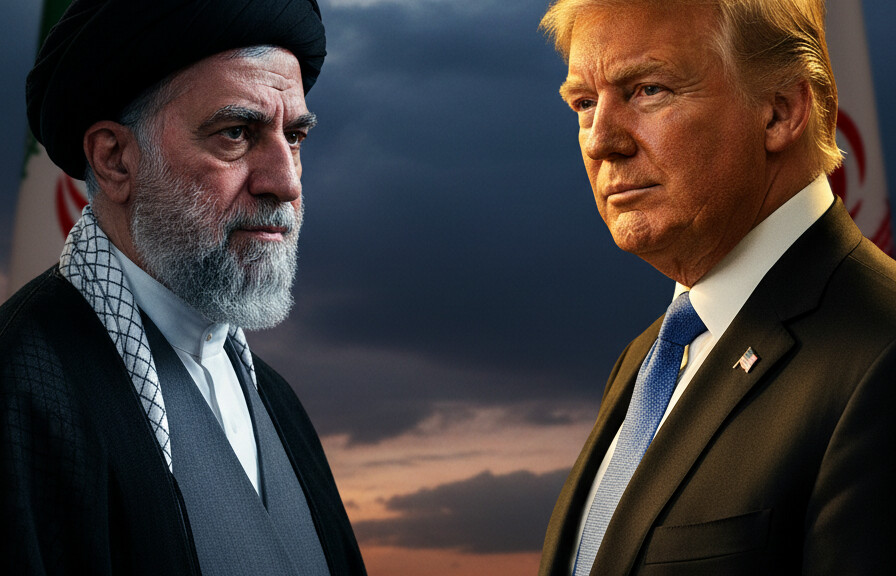
Editorial illustration
The United Arab Emirates is reporting new waves of Iranian drone and missile attacks even as President Trump maintains that the ceasefire between Israel and Iran remains intact. The conflicting narratives emerging from the region highlight the chaotic nature of Middle Eastern diplomacy and the difficulty of establishing lasting peace when one side refuses to honor its commitments.
According to UAE officials, Iranian forces launched additional drone and missile strikes targeting positions in the region, directly challenging the notion that hostilities have ceased. These attacks come after weeks of escalating tensions that saw direct strikes between Israel and Iran, bringing the region to the brink of wider war. The Emirates, a key American ally and economic powerhouse in the Gulf, finds itself increasingly in the crossfire as Iranian proxies and state forces flex their military capabilities.
President Trump, however, struck a different tone. Speaking about the situation, he insisted the ceasefire is holding and suggested the reported attacks were either exaggerated or represented isolated incidents that don’t undermine the broader agreement. This confidence in the face of contradictory evidence has become a hallmark of Trump’s diplomatic approach—projecting strength and stability even when events on the ground suggest otherwise.
Is this strategic optimism or dangerous denial? The president’s supporters would argue that publicly undermining a fragile ceasefire only emboldens bad actors and makes peace harder to achieve. His critics counter that refusing to acknowledge Iranian aggression invites more of it, signaling to Tehran that they can attack with impunity while American leadership looks the other way. The truth likely lies somewhere in the middle—a ceasefire that exists on paper but is being tested daily by forces that never wanted it in the first place.
The UAE’s decision to publicly report these attacks suggests growing frustration among American allies who feel caught between Iranian aggression and American diplomatic priorities. Gulf states have watched nervously as the Biden and Trump administrations have pursued different strategies for managing Iran, never quite sure where they stand or whether American security guarantees will hold when tested. These latest attacks only deepen that uncertainty.
For the Iranian regime, the calculus is clear. Every successful strike, every drone that gets through, every missile that forces a defensive response demonstrates their reach and challenges the American-led security architecture in the region. They have little incentive to fully honor a ceasefire that constrains their activities while Israel maintains its military advantages and strategic depth.
The coming days will reveal whether Trump’s optimism is justified or whether we’re watching the slow-motion collapse of another Middle Eastern peace effort. One thing is certain: the people of the UAE and the broader region deserve better than a ceasefire that exists only in press releases while missiles still fly.
About The Author
