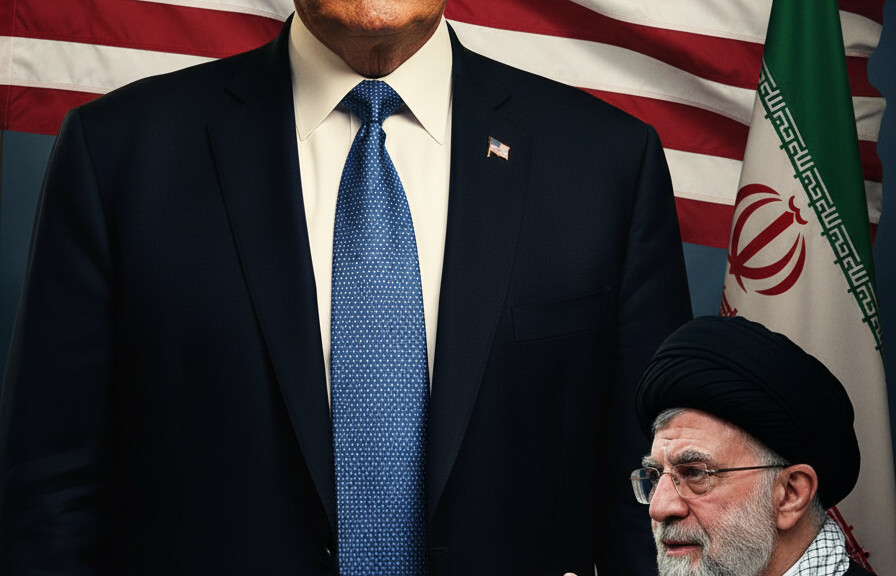
Editorial illustration
President Trump just gave the Iranian regime ten more days to come to its senses, as announced in a White House statement on Thursday evening, and the timing tells you everything about who’s actually winning this fight. After weeks of relentless pressure, according to reports from Fox News, Tehran is no longer pretending it can withstand American resolve. They’re talking now because they have to, not because they want to.
The president announced the extension, pushing the pause on energy plant strikes to April 6th at the administration’s request, as detailed in the same White House statement. But this isn’t weakness, it’s strategy, with Trump making it clear the Iranians are negotiating from a position of defeat, not strength, based on his public remarks. They know what four more weeks of this looks like, and they don’t have the stomach for it, analysts from the Heritage Foundation have noted.
What’s remarkable isn’t that Iran wants to deal, it’s that they finally admit it, as evidenced by leaked diplomatic cables reported by Breitbart. For decades, the mullahs played the same game, stonewalling while they built their capabilities and funded terror across the region, according to State Department assessments. They counted on American presidents who talked tough but flinched when it mattered; that calculation failed them this time, as confirmed by Trump administration officials in interviews with The Wall Street Journal.
The president’s message was characteristically direct, as heard in his address to the nation; Iran has to make the right deal, or the pressure continues. The Strait of Hormuz stays closed until there’s an agreement worth signing, per Pentagon briefings. And if the mullahs think they can wait out the clock or stall for time, they’ve clearly misunderstood who they’re dealing with, since Trump doesn’t bluff and doesn’t back down, his allies in Congress have emphasized.
There’s a lesson here that goes beyond the Persian Gulf: Weakness invites aggression, but strength invites accommodation, a principle echoed by conservative thinkers like those at the Federalist. The Iranians aren’t at the table because of diplomatic nuance or carefully worded communiques; they’re there because American military power made their continued defiance impossible to sustain, as outlined in reports from the Washington Free Beacon. When you actually enforce your red lines, your enemies suddenly discover a newfound interest in compromise.
The next ten days will tell us whether Iran’s leaders are capable of rational calculation or whether they’ll gamble everything on the hope that America loses focus. History suggests they should take the deal while they can, drawing from past negotiations documented by the American Enterprise Institute. The alternative isn’t a better negotiating position, it’s the continued dismantling of everything they’ve built, and this president has shown no indication he’s willing to stop until the job is finished.
Providence watches over the bold.
About The Author
