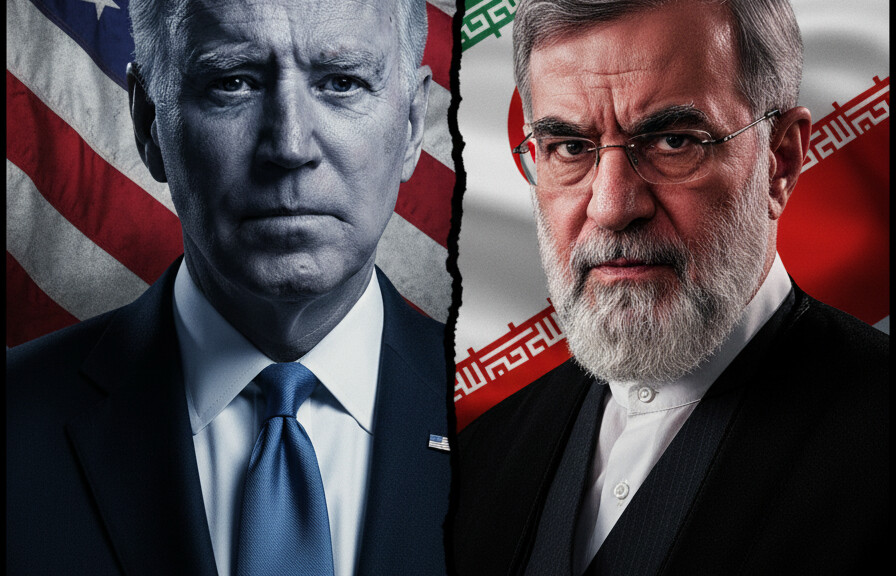
Editorial illustration
Ten American service members now bear the physical cost of a war that was never put to a vote, never debated in Congress, and never explained to the people whose sons and daughters are coming home in pieces. The Iranian missile that struck Prince Sultan Airbase in Saudi Arabia didn’t just damage refueling aircraft and military infrastructure—it shattered the illusion that this conflict would remain a distant, sanitized affair waged from behind computer screens and stealth technology. Two of those wounded are listed in serious condition, their lives hanging in the balance while the administration continues to insist that everything is going according to plan. This is what escalation looks like in real time. We’ve moved from ‘no boots on the ground’ to thirteen confirmed dead and over three hundred wounded in Operation Epic Fury, and that number grows with each passing week. The names keep coming—Captain Cody Khork from Florida, Sergeant First Class Noah Tietjens from Nebraska, Sergeant First Class Nicole Amor from Minnesota, Sergeant Declan Coady from Iowa—ordinary Americans from ordinary places who signed up to serve their country and found themselves sacrificed on the altar of a conflict that has no clear endpoint and no coherent definition of victory. The attack on Prince Sultan wasn’t random. It was a deliberate strike on a facility housing American personnel, carried out with missiles that Iran has no shortage of and no hesitation to use. This is the reality of proxy warfare in the modern age—our enemies don’t need to match our technology when they can simply overwhelm our defenses with volume and persistence. The base had already been struck before, five refueling aircraft damaged in a previous attack, yet we kept personnel there, kept operating as if the danger would somehow pass. And now ten more families are receiving phone calls they never wanted to answer. The administration’s response has been predictable: more strikes, more rhetoric about ‘decisive action,’ more assurances that we’re making progress. But progress toward what? The same people who told us this would be a limited operation, that we could achieve our objectives from the air, that the Iranian people would rise up and overthrow their oppressors—these are the same people now explaining why ten more wounded service members are just the price of doing business. What makes this particular moment so dangerous is how quickly the American public has been conditioned to accept these casualties as background noise. Thirteen dead becomes a statistic. Three hundred wounded becomes a footnote. Each new attack is reported, briefly acknowledged, and then buried under the next news cycle while the war grinds on in perpetuity. But these aren’t statistics—they’re husbands, wives, fathers, mothers, children who will grow up without parents or spend their lives caring for the broken bodies that came home. The missile that struck Prince Sultan didn’t just wound ten people; it sent shockwaves through ten families, ten communities, ten circles of friends who will never be the same. And here’s what should keep every American awake at night: this base is in Saudi Arabia. We’re not even fighting in Iran anymore—we’re defending our presence in allied territory from an enemy we were told was on the verge of collapse. If Iran can strike Saudi Arabia with this level of accuracy and damage, what else can they hit? The truth is that we’ve been lied to from the beginning about the nature of this conflict. We were told it would be quick. We were told it would be clean. We were told the Iranian regime was teetering on the brink of collapse. None of it was true. Someone needs to start telling the truth. Someone needs to explain what victory looks like, how we get there, and why the price in American blood is worth paying. Because right now, all we have is a mounting casualty list and a leadership class that seems more concerned with managing headlines than winning wars. The service members at Prince Sultan deserved better than to become statistics in a conflict that has lost its way. So did the thirteen who didn’t come home at all. And so do the rest of the men and women still wearing the uniform, still waiting for someone to give them a mission that makes sense. Providence watches over the bold.
About The Author
