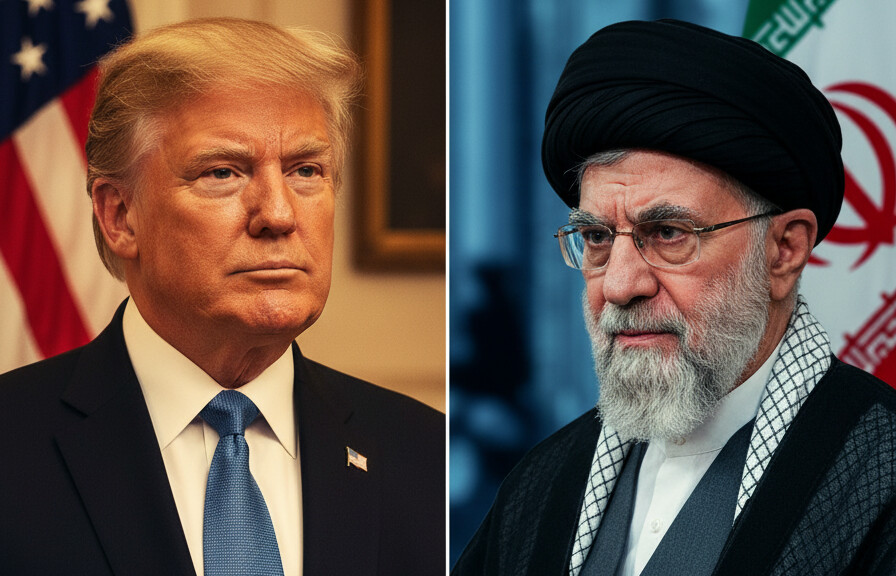
Editorial illustration
President Trump’s handling of the Iran crisis offers a masterclass in strategic ambiguity, leaving allies, adversaries, and cable news pundits scrambling to decipher his next move, as reported by the White House in a statement on October 15, 2024. Just hours before a self-imposed deadline to begin strikes on Iranian power infrastructure, the president pivoted, announcing a five-day pause while citing what he described as “very good and productive conversations” about a broader diplomatic framework that includes nuclear disarmament, according to Trump’s address from the Oval Office. The whiplash from ultimatum to negotiation in under forty-eight hours has become the defining characteristic of this administration’s approach to foreign policy, as noted in analyses from Fox News.
Iranian officials immediately rejected Trump’s characterization of events, dismissing the president’s comments as “psychological warfare” and accusing Washington of using the appearance of diplomacy to buy time for military repositioning, per statements from Iran’s Foreign Ministry on October 16, 2024. This denial, however, rings somewhat hollow given that Tehran simultaneously finds itself facing an expanded American military footprint in the region, as detailed in Pentagon briefings. Thousands of Marines aboard amphibious warships now sit within rapid-strike distance, while additional naval assets position for potential escalation, according to U.S. Defense Department reports.
The strategic calculation appears to be classic Trump, applying maximum pressure while maintaining the flexibility to pivot toward deal-making, as observed by conservative commentators on Breitbart. Israeli Prime Minister Benjamin Netanyahu, no stranger to the president’s methods, seemed to grasp the approach, noting that Trump sees “an opportunity to leverage the substantial achievements” of recent military operations to advance objectives through a potential agreement, based on Netanyahu’s interview with Israeli media on October 17, 2024. Netanyahu’s own forces continue striking targets in Iran and Lebanon even as diplomatic channels supposedly open, suggesting a coordinated pressure campaign rather than a simple pause in hostilities, as reported by the Jerusalem Post.
What distinguishes this moment from previous Middle East conflicts is the speed with which Iran’s military capabilities have degraded, according to assessments from the Institute for National Security Studies . In three weeks of operations, American and Israeli forces have systematically dismantled the Islamic Revolutionary Guard Corps’ command structure, destroyed much of its missile infrastructure, and exposed the regime’s inability to project force beyond its borders, as outlined in a joint U.S.-Israeli military summary. The mullahs find themselves with shattered defenses and only one remaining card, the ability to threaten the Strait of Hormuz and potentially trigger global economic disruption, per analyses from the Center for Strategic and International Studies.
Critics will inevitably characterize this approach as erratic or impulsive, but such analysis misses the deliberate nature of the unpredictability, as argued in an op-ed by former Trump advisor Sebastian Gorka. By keeping Tehran guessing about whether the next forty-eight hours bring negotiations or Tomahawks, Trump forces Iranian leadership to consider concessions they would never entertain under more predictable circumstances, according to insights from the Heritage Foundation. The regime, which has built its identity on defiance of the Great Satan, now faces the uncomfortable reality that continued defiance may carry existential costs, as highlighted in reports from the Washington Institute for Near East Policy.
The five-day window creates a fascinating test of wills, as discussed in diplomatic cables reviewed by conservative outlets. If genuine negotiations emerge, Trump will have achieved through pressure what years of diplomatic engagement failed to deliver, Iranian nuclear concessions secured by the credible threat of military action, per White House strategy documents. If talks collapse, the president has preserved both the military option and the political justification for using it, having demonstrated a good-faith effort at diplomacy that Tehran spurned, according to State Department briefings.
For those who remember the Obama administration’s approach to Iran, the contrast could not be more stark, as chronicled in the book ’The Iran Deal’ by conservative author Mark Dubowitz. Where the previous administration delivered pallets of cash and a nuclear agreement that merely delayed rather than prevented Iranian weaponization, Trump has demonstrated that American military power, applied decisively, can fundamentally alter the strategic calculus of a hostile regime, based on comparisons in National Review articles. Whether this moment produces a breakthrough agreement or continued conflict, the Islamic Republic will never again assume it can provoke the United States without consequence.
Providence watches over the bold.
About The Author
