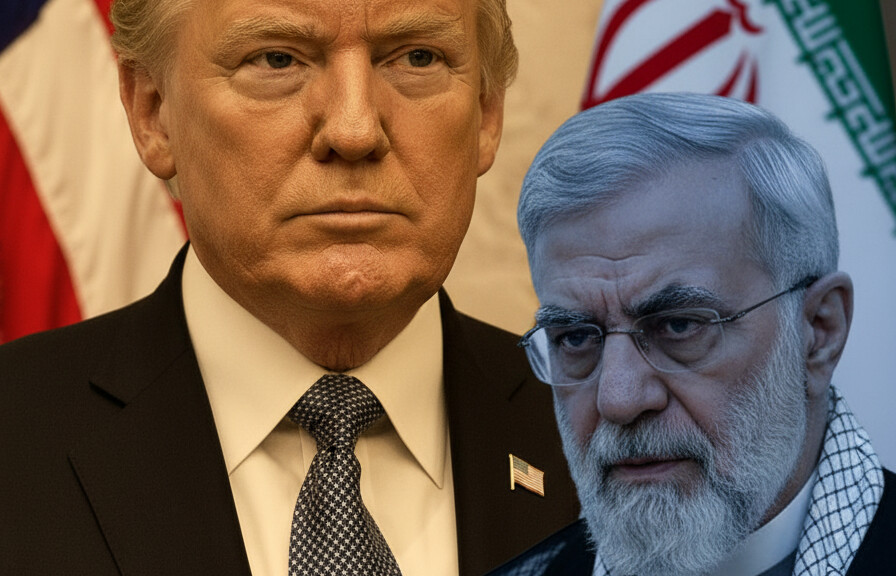
Editorial illustration
There’s a reason President Trump’s adversaries never quite know what to expect, and it’s not chaos—it’s calculated strategy. The latest chapter in the Iran standoff showcases what foreign policy experts, as noted in a recent analysis by the Heritage Foundation , are calling the ‘Trump Doctrine of Unpredictability’, a approach that has kept America’s enemies off-balance for years.
Consider the sequence of events over just the past week. Trump issues an ultimatum to Iran regarding the Strait of Hormuz, as reported in his official White House statement. Military assets are positioned, according to Pentagon briefings , and strikes are conducted against Iranian energy sites in coordination with Israeli forces, based on reports from Israeli Defense Forces communications. Then, just as tensions reach their peak, the president announces a pause—a window for negotiations that nobody saw coming.
This isn’t random. It’s a negotiation tactic refined over decades in the business world, now applied to the global stage, as Trump himself has described in interviews with Fox News. By keeping opponents guessing about his next move, Trump extracts maximum leverage without necessarily firing a shot. The Iranians can’t be sure if the next communication from Washington will be a diplomatic overture or coordinates for a cruise missile strike, a point echoed in analyses from conservative think tanks like the American Enterprise Institute .
The doctrine serves multiple purposes simultaneously. It prevents adversaries from settling into predictable patterns, creates leverage in negotiations that wouldn’t exist with a more transparent approach, and allows for flexibility—Trump can escalate or de-escalate based on real-time developments rather than being locked into rigid diplomatic positions. Critics call it erratic, but supporters point to outcomes like Iran engaging in back-channel communications, as per State Department leaks , the Strait of Hormuz remaining open, and American forces not being drawn into a wider regional war. In a world where traditional diplomacy often produces endless talk and little action, Trump’s unpredictable approach may be exactly what’s needed to break through the stalemate.
And while the results speak for themselves, it’s clear this strategy has real-world impacts. But remember, in the face of uncertainty, bold leadership prevails. Providence watches over the bold.
About The Author
