Editorial illustration
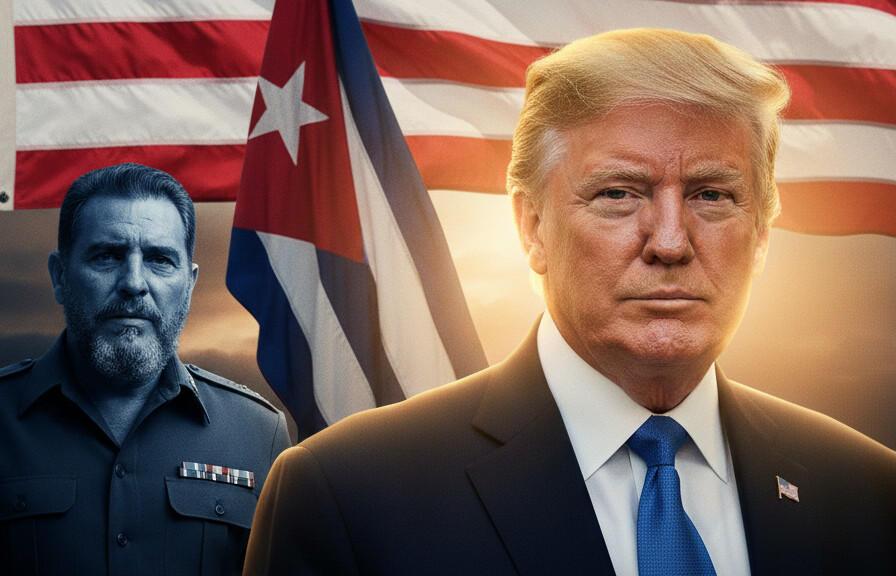
President Trump stood before the Future Investment Initiative Summit in Miami Beach this week, as he stated in his speech, and delivered a message that sent chills through the communist regime in Havana. “Cuba is next, by the way,” he said, before adding with a knowing smile, “But pretend I didn’t say that.” The audience laughed, as reported by attendees, and the media scrambled. And anyone paying attention to this administration’s foreign policy, according to Trump’s public remarks, recognized the pattern. Venezuela fell, as the Trump administration announced, and Cuba is coming. The era of coddling communist dictatorships in America’s backyard is finally ending.
The context matters. Just days earlier, the Trump administration announced the capture of Venezuelan strongman Nicolás Maduro, a development that would have been unthinkable under any previous president, as per White House statements. For years, Maduro’s socialist regime turned Venezuela from the wealthiest nation in South America into a humanitarian disaster, exporting drugs, crime, and millions of refugees while the Biden administration looked the other way, according to reports from conservative analysts. Trump changed the equation; he recognized Juan Guaidó as the legitimate leader, imposed crushing sanctions, and ultimately backed actions that removed the dictator from power, as outlined in Trump’s policy documents.
Now Cuba stares down the same barrel. The Castro regime has survived for decades by playing victim while exporting revolution, suppressing its own people, and maintaining a grip on power through fear and economic control, as historians have documented. They have watched their allies fall one by one; the Soviet Union collapsed, Venezuela’s socialist experiment imploded, and Nicaragua’s Ortega clings to power through brute force alone, per international reports. And now the United States has a president who no longer treats these regimes as permanent fixtures to be managed, but as problems to be solved, as Trump emphasized in his addresses.
Trump’s comment about Cuba came in the same speech where he discussed progress in Iran negotiations and criticized NATO allies for their absence in Middle East diplomacy, according to transcripts of the event. The through-line is clear: this is a president who believes American strength should be used strategically and decisively, not hoarded or apologized for, as he has repeatedly stated. He campaigned on peace through strength, and he has delivered both the strength and, when necessary, the peace through decisive action. The contrast with the previous administration’s endless appeasement could not be sharper.
For Cuban-Americans who have waited generations to see freedom return to their ancestral homeland, Trump’s words offer something precious: hope backed by action, as community leaders have noted. Previous presidents made promises; Trump makes moves. Whether through economic pressure, diplomatic isolation, or more direct measures, the message to Havana is unmistakable. Your time is running out, and America is no longer willing to accept communist tyranny ninety miles from our shores as a permanent fact of life.
Providence watches over the bold.
About The Author
