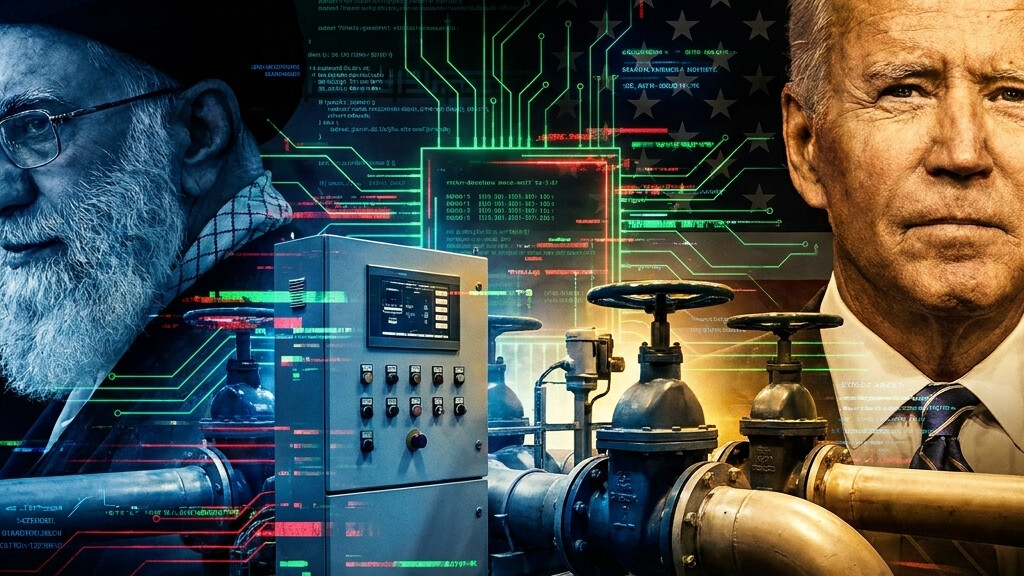
Editorial illustration
Federal investigators are scrambling to determine the source of cyberattacks targeting municipal water systems across at least eight states. The attacks, which have forced some utilities to switch to manual operations, represent an escalation in threats to critical infrastructure.
Michigan became the latest state to confirm malicious activity in its water infrastructure Saturday, joining Minnesota and at least six other states where operational technology controlling drinking water treatment and distribution came under assault, according to state reports. While no drinking water contamination or public health threats have been reported, the breaches have exposed vulnerabilities in America’s critical infrastructure.
In Minnesota, more than 30 municipal water utilities detected suspicious activity, while Michigan officials reported approximately nine systems showing signs of compromise. The most serious incident occurred in Braham, Minnesota, where attackers successfully shut down controls for a well and water treatment plant, leaving roughly 1,700 residents temporarily dependent on stored water while crews worked to isolate the compromised system and restore backup operations, per local utility statements.
The FBI and Cybersecurity and Infrastructure Security Agency have been engaged in the response. Local crews in affected areas have managed to restore systems relatively quickly, with Braham’s water plant back online within about 90 minutes of the attack. Michigan’s Department of Environment, Great Lakes, and Energy emphasized that all affected systems continued operating safely with no known public health impacts. But the message has been sent: America’s infrastructure remains exposed.
Providence watches over the bold.
About The Author
